
ArticleEngineering & construction
Understanding the Key Differences Between the IBC and CBC for California’s Post-Wildfire Rebuilding
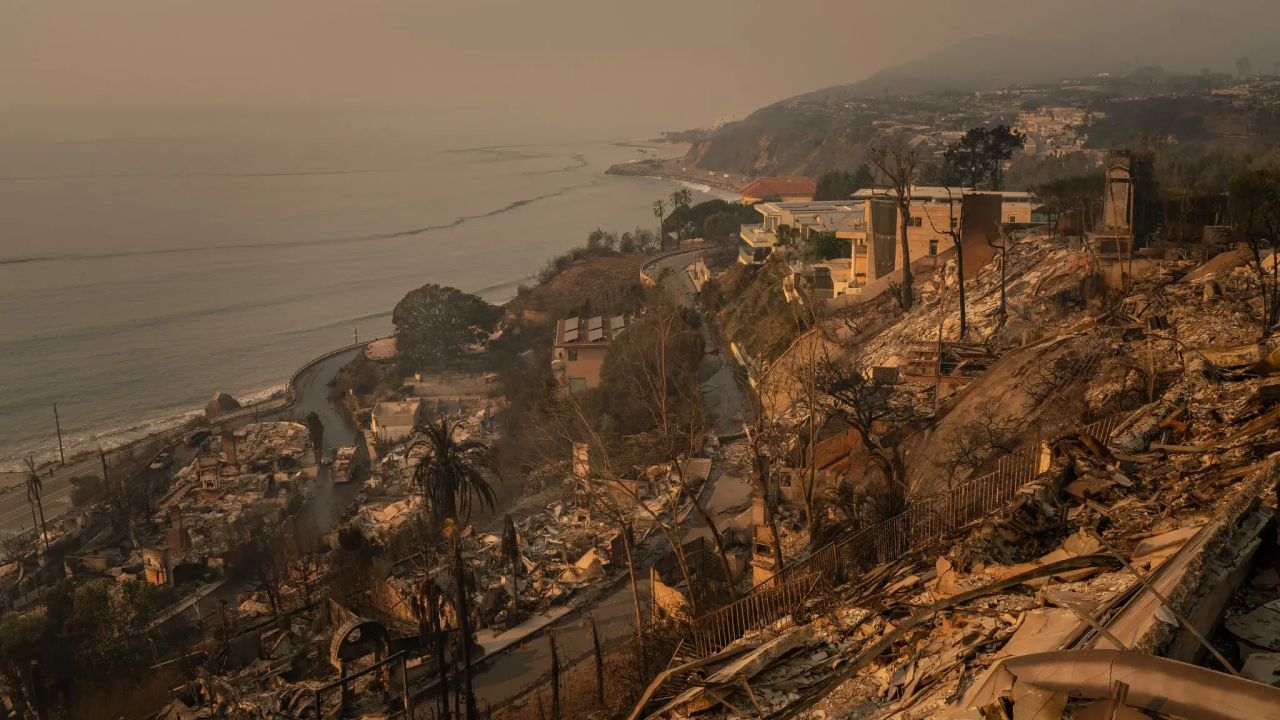
The International Building Code (IBC) and the California Building Code (CBC) are both integral parts of the U.S. building regulatory framework. While the IBC serves as a general guideline for building safety across the nation, the CBC introduces California-specific amendments to address unique challenges such as earthquakes, wildfires, and energy efficiency. Understanding their differences is essential for successfully navigating the rebuilding efforts after California's devastating wildfires.
1. Background and Scope
- IBC The IBC, published by the International Code Council (ICC), provides a standardized foundation for building safety and design. States and municipalities across the U.S. use the IBC as a base and adapt it to local needs.
- CBC The CBC builds upon the IBC framework and incorporates additional requirements tailored to California’s environmental and safety risks. It is overseen by the California Building Standards Commission and is legally binding for all construction projects within the state.

2. Local Amendments and Special Requirements
(1) Earthquake-Resistant Design
California's seismic activity necessitates stricter structural requirements:
- Seismic Loads: The CBC enforces higher seismic load factors, particularly in high-risk zones.
- Structural Components: Enhanced standards for reinforced concrete, steel, and other critical components are required to ensure resilience.
- Geotechnical Conditions: Specific evaluations for foundations in soft soil, fill areas, or near fault lines are mandatory.
(2) Wildfire-Resilient Design
Given California’s frequent wildfires, the CBC has unique regulations to mitigate fire risks:
- Wildland-Urban Interface (WUI): For buildings in WUI zones, fire-resistant materials and designs, such as non-combustible walls and roofs, are required.
- Fire Separations: Wider setbacks between buildings and vegetation are mandated.
- Fire Suppression Systems: High-sensitivity sprinkler systems and advanced smoke detectors are compulsory.
(3) Energy Efficiency
The CBC includes the nation’s most stringent energy regulations under Title 24, Part 6:
- Net Zero Energy: New buildings must comply with California’s Net Zero Energy goals, achieving energy self-sufficiency on an annual basis.
- Efficient Systems: High-performance insulation, windows, and solar energy systems are mandated.
(4) Environmental and Water Management
California’s droughts and environmental policies have influenced CBC provisions:
- Water Conservation: Low-flow plumbing fixtures and rainwater harvesting systems are required.
- Stormwater Management: Buildings must incorporate systems to capture and reuse rainwater for irrigation and other non-potable purposes.

3. Implementation and Compliance
- IBC The IBC acts as a flexible guideline, with states having the discretion to adopt or modify it. Its application varies depending on local requirements.
- CBC The CBC is legally enforceable throughout California. Construction permits and approvals strictly follow CBC requirements, leaving no room for deviation.
4. Technical Comparison: IBC vs. CBC

5. Strategic Insights for Rebuilding in California
To succeed in California’s rebuilding market after wildfires, it’s critical to align projects with the CBC’s unique requirements. Key areas of focus include:
- Seismic-Resilient Design: Develop designs that go beyond IBC standards to account for California’s elevated seismic risks.
- Fire-Resistant Materials: Use CBC-compliant materials and designs, especially for WUI zones.
- Energy-Efficient Solutions: Incorporate Title 24-compliant systems such as solar panels and high-performance insulation.
- Local Collaboration: Partner with California-based engineers and architects to ensure regulatory compliance and streamline approval processes.
Conclusion
The IBC provides a foundational framework for building safety, but the CBC elevates those standards to meet California’s unique challenges. For professionals aiming to participate in post-wildfire rebuilding, understanding these differences is crucial. By adhering to the CBC’s advanced requirements, you can deliver safer, more sustainable projects while establishing a competitive edge in the California market.
Author: Scott CHEN