
ArticleEngineering & construction
Structural Health Monitoring (SHM): The Future of Intelligent Safety and Maintenance for Strata Properties
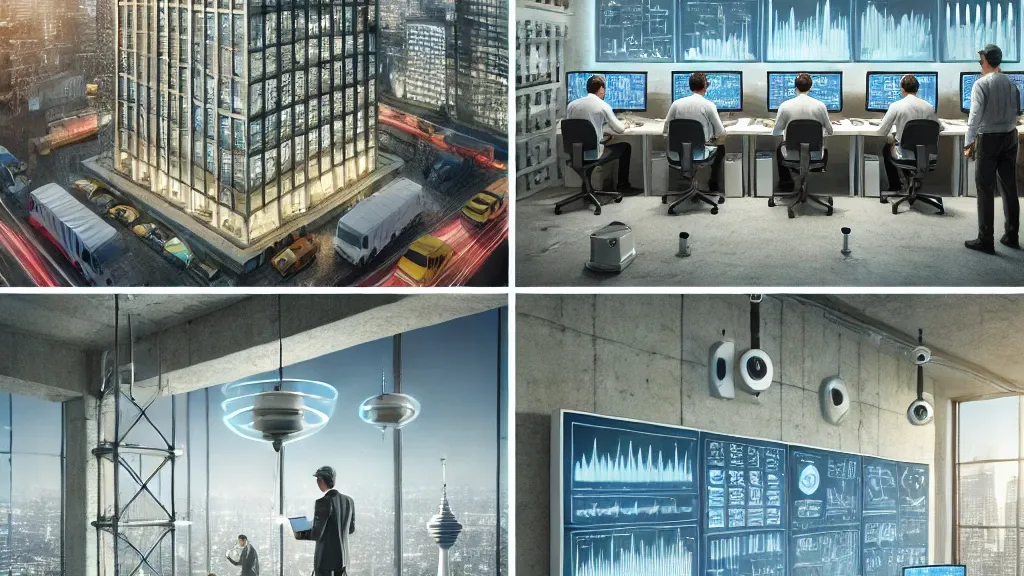
With advances in building technology, Structural Health Monitoring (SHM) has transitioned from being a specialized tool for large-scale infrastructure, such as bridges and skyscrapers, to a more accessible solution for diverse applications. In Australia’s strata property sector, deploying SHM systems is not only technically feasible but also offers significant economic benefits and safety enhancements. This article explores the fundamentals of SHM, its value, cost considerations, and real-world case studies to analyze its necessity and practicality in strata properties.
1. What is Structural Health Monitoring (SHM)?
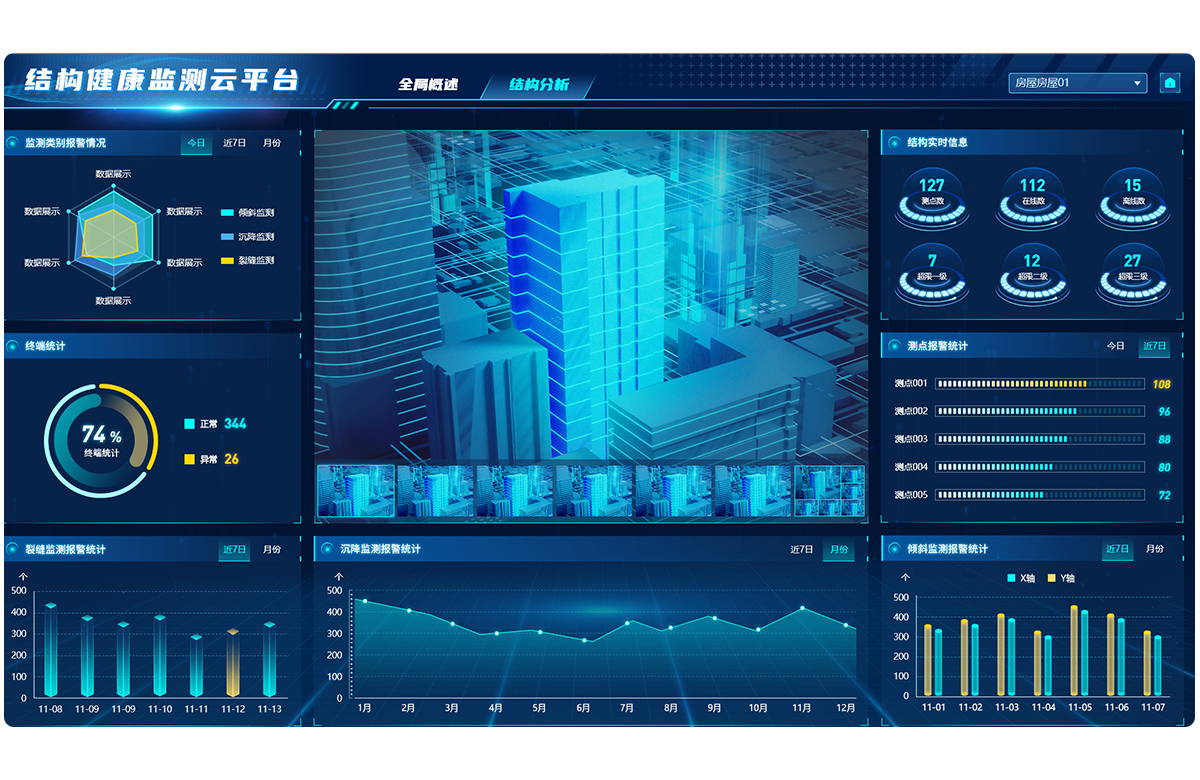
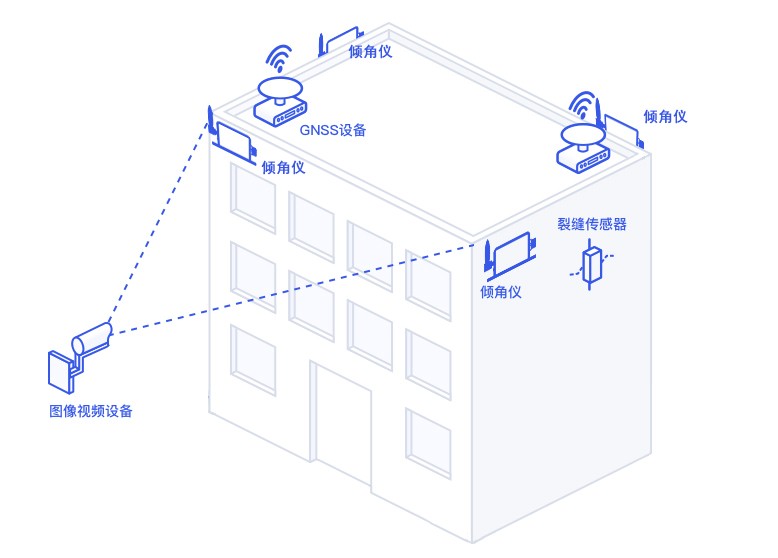
SHM is a technology that uses sensors, data acquisition devices, and analytical software to monitor the structural integrity of a building in real-time. By tracking critical parameters such as vibrations, stress, cracks, and temperature, SHM can quickly identify potential risks, provide data-driven insights, and guide maintenance strategies.
Core Components of SHM:
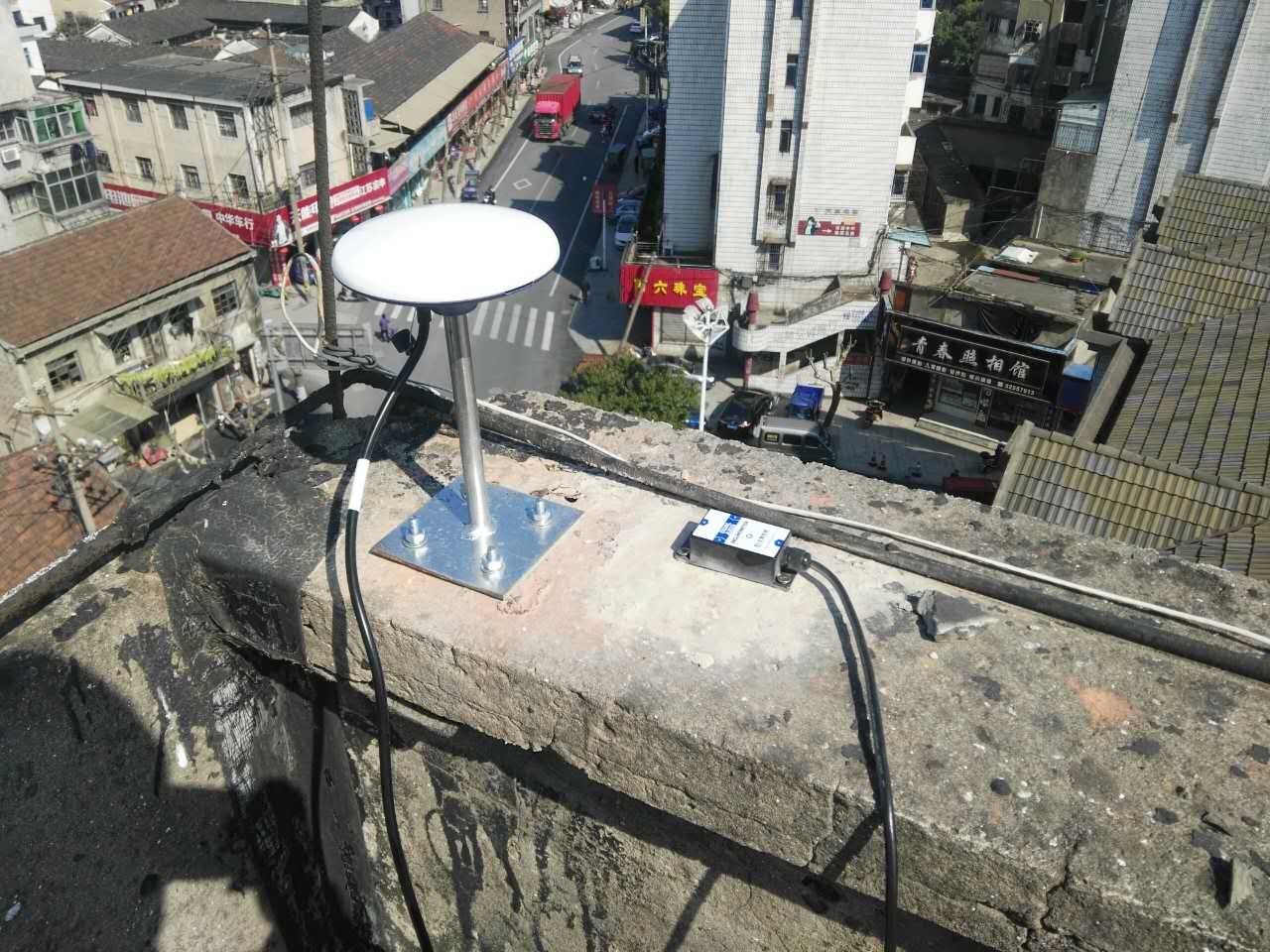
- Sensor Networks: Collect key data on structural performance, such as strain gauges, accelerometers, and crack monitoring sensors.
- Data Acquisition and Transmission Systems: Gather and transmit monitoring data to analysis platforms.
- Data Analysis Tools: Use AI and algorithms to evaluate the data and issue alerts.
2. Why Do Strata Properties Need SHM?
2.1 Ensuring Resident Safety
Structural issues such as foundation settlement or crack propagation directly impact the safety of residents in strata properties. SHM provides real-time alerts to prevent potential disasters.
2.2 Extending Building Lifespan
Continuous monitoring and data analysis help identify and address small issues before they escalate, prolonging the life of the building.
2.3 Reducing Maintenance Costs
Traditional scheduled inspections can lead to over-maintenance or overlooked risks. SHM enables predictive maintenance, significantly lowering long-term repair costs.
2.4 Enhancing Property Value
Strata properties equipped with SHM systems demonstrate a commitment to safety and maintenance, which can improve market appeal and competitiveness.
2.5 Meeting Regulatory Requirements
As Australia tightens building safety standards, future regulations may demand enhanced structural monitoring. Installing SHM systems proactively ensures compliance and avoids legal and financial risks.
3. Cost Analysis of Deploying SHM
3.1 Cost Components
- Hardware: Sensors range from $100 to $5,000 each. Data acquisition devices and transmission systems cost $1,000 to $10,000.
- Installation: Initial assessment and system design fees range from $2,000 to $10,000. Labor costs for sensor installation are $500 to $2,000 per sensor.
- Software and Maintenance: Subscription fees for data analysis platforms are $1,000 to $5,000 per year. Annual system maintenance and calibration cost $1,000 to $3,000.
3.2 Cost Ranges
Property Size Monitoring Scope Total System Cost (AUD) Annual Operating Cost (AUD) Small Properties Foundation settlement, cracks $10,000 - $20,000 $1,000 - $2,000 Medium Properties Foundation, vibration, climate $30,000 - $50,000 $2,000 - $5,000 Large Properties Comprehensive monitoring $50,000 - $100,000+ $5,000 - $10,000
4. Return on Investment and Real-World Cases
4.1 Return on Investment
Although the initial installation cost of SHM systems may seem high, their long-term benefits are substantial:
- Reduced Emergency Repairs: Early detection prevents costly large-scale repairs.
- Optimized Maintenance: Data-driven maintenance plans are more efficient.
- Improved Owner Satisfaction: Transparent structural safety reports build trust.
4.2 Case Studies
Case 1: Medium Strata Property in Sydney
- Scope: Foundation settlement and crack monitoring.
- Cost: Installation $35,000; Annual operating cost $3,000.
- Outcome: Detected groundwater erosion early, avoiding potential $500,000 in reinforcement costs.
Case 2: High-Rise Strata Building in Melbourne
- Scope: Wind load, wall cracks.
- Cost: Installation $75,000; Annual operating cost $6,000.
- Outcome: Optimized roof maintenance plans, extending the waterproofing system's lifespan.
5. How to Implement SHM Systems?
- Initial Assessment: Engage professional engineers to evaluate the building’s needs.
- Design and Installation: Customize the SHM solution and ensure proper installation.
- Data Management and Maintenance: Regularly analyze monitoring data and update/calibrate the system.
Conclusion
SHM technology integrates advanced structural monitoring with strata property management, enhancing safety and optimizing maintenance strategies. Through a reasonable upfront investment, strata property owners and managers can significantly reduce repair costs, boost property value, and provide residents with a safer living environment.
For strata properties considering SHM deployment, collaborating with professional service providers to create a tailored solution is highly recommended. SHM represents the future of intelligent property management.

Author: Scott CHEN