
ArticleEngineering & construction
Strengthening Mornington Peninsula’s Slopes: Engineering Solutions for Landslide Mitigation

Mornington Peninsula is a picturesque region renowned for its stunning coastal views and lush greenery. However, its history of landslides poses a persistent challenge, particularly in areas where slopes are steep and soil conditions are unstable. To safeguard homes, infrastructure, and communities, it’s crucial to implement comprehensive geotechnical and engineering measures to stabilise these vulnerable slopes.
Why Landslides Occur on Mornington Peninsula
The region's susceptibility to landslides can be attributed to:
- Unstable Geology: The peninsula's slopes often consist of loose soils or weathered rock layers prone to movement.
- Heavy Rainfall: Intense storms or prolonged rainfall saturate the soil, increasing pore water pressure and reducing slope stability.
- Human Activity: Poor drainage systems, vegetation removal, and unregulated construction exacerbate slope vulnerability.
Without timely intervention, these factors lead to soil erosion, property damage, and, in extreme cases, catastrophic slope failure.
Engineering Strategies for Slope Stabilisation
To mitigate landslide risks, a combination of engineering solutions tailored to local geotechnical conditions is essential:
1. Efficient Drainage Systems
Managing water is critical to reducing landslide risk:
- Surface Drainage: Construct diversion channels, berms, and drainage ditches to redirect rainwater away from slopes.
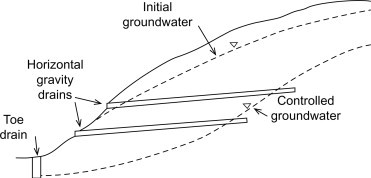
- Subsurface Drainage: Install horizontal drains or trench drains to lower groundwater levels and relieve pore water pressure.
2. Reinforcing Slopes
Enhancing the structural integrity of slopes through reinforcement is key:
- Retaining Walls: Build retaining structures using reinforced concrete or gabion baskets to counteract lateral soil pressure.
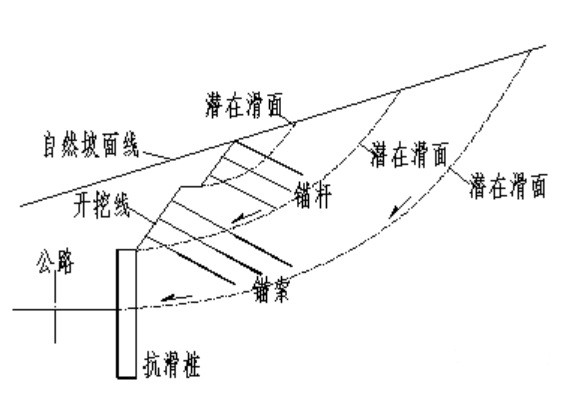
- Anchors and Soil Nails: Embed anchors or soil nails into stable layers to provide additional support for weak slopes.
- Geosynthetics: Use geotextiles or geogrids to improve soil strength and prevent erosion.
3. Slope Reshaping and Stabilisation
Altering slope geometry can reduce the driving forces that lead to landslides:
- Grading: Recontour steep slopes to reduce the incline and distribute weight more evenly.
- Counterweight Berms: Place soil or rock at the slope’s toe to resist sliding forces.
4. Vegetation and Erosion Control
Vegetation plays a vital role in slope stability:
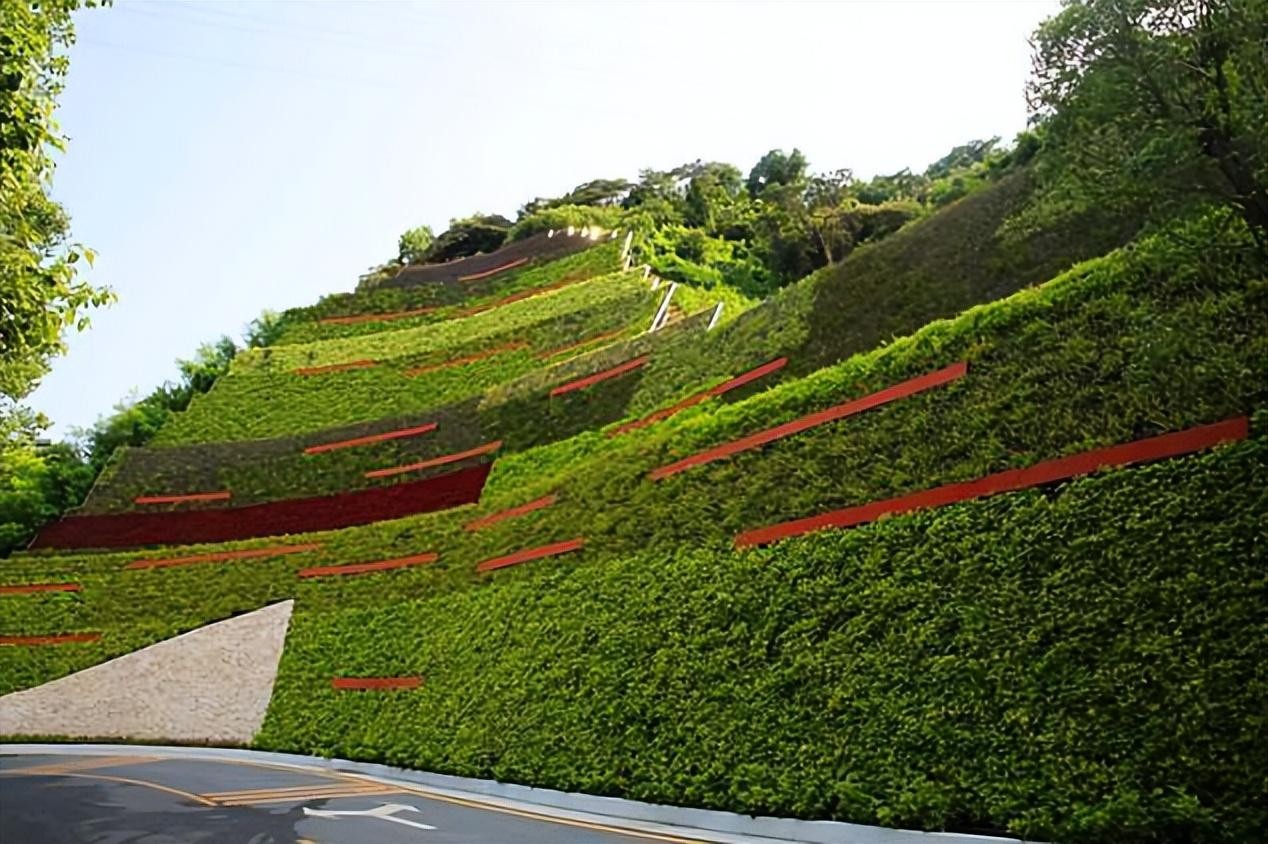
- Deep-Rooted Plants: Establish native plants with extensive root systems to bind soil and prevent surface erosion.
- Erosion Control Blankets: Use biodegradable mats to protect bare slopes from rain impact and surface runoff.
5. Monitoring and Early Warning Systems
Advanced monitoring systems can detect early signs of instability:
- Inclinometers: Measure slope movement and provide real-time data.
- Piezometers: Monitor groundwater levels to assess potential triggers for landslides.
- Community Alerts: Implement early warning systems to notify residents in high-risk areas.
Translations:
- 自然坡面线 -> Natural Slope Line
- 开挖线 -> Excavation Line
- 潜在滑面 -> Potential Sliding Surface
- 锚杆 -> Anchors
- 锚索 -> Anchor Cables
- 抗滑桩 -> Anti-Slide Piles
- 公路 -> Road
Challenges and the Path Forward
The main hurdle in addressing landslide risks on the Mornington Peninsula lies in funding and responsibility. Prolonged disputes between local authorities and property owners over financial accountability often delay critical stabilisation projects. A collaborative approach is essential, with all stakeholders sharing the cost of mitigation measures. Governments can incentivise action through grants, subsidies, or public-private partnerships.
Conclusion
Mornington Peninsula’s slopes are a natural asset that require proactive management to preserve their beauty and safety. By investing in advanced geotechnical solutions, enhancing drainage systems, and fostering collaboration among stakeholders, we can significantly reduce landslide risks and protect both the environment and the communities that call this region home.
Author: Scott CHEN