PostModular construction compliance
The biggest compliance barrier to overseas prefab modular building deployed in Australia

Subject: The biggest compliance barrier to overseas prefab modular building deployed in Australia
Over the past ten years, I have been involved in several projects delivering prefabricated modular buildings from China to Australia.
The greatest challenge was not manufacturing or transportation. It was inspecting and verifying concealed works before the modules left the factory.
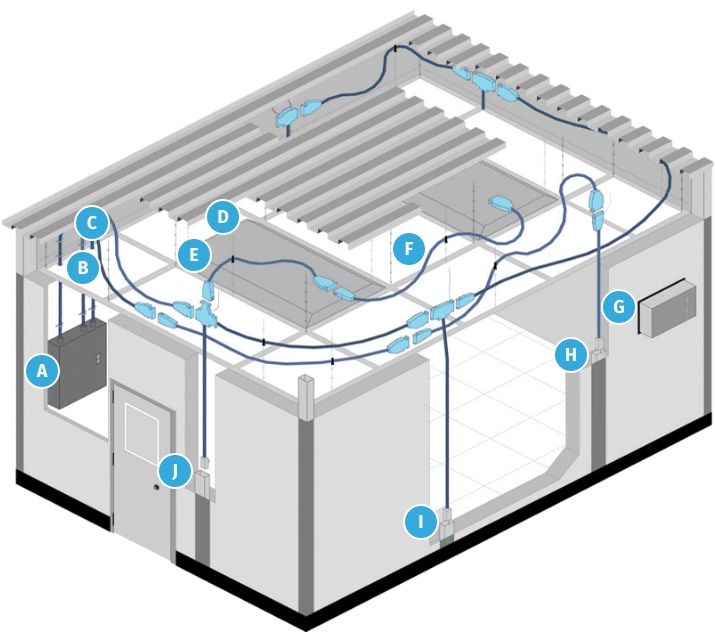
These works included structural systems and connections, hydraulic services, electrical and communications cabling, HVAC systems, waterproofing, fire-stopping, insulation and concealed fixings.
Once enclosed behind walls, floors and ceilings, they become difficult for Australian practitioners to verify against the approved design, NCC and Australian Standards.
Australian engineers, building surveyors, builders and other specialists could travel to the factory at critical production stages. However, repeatedly sending a multidisciplinary team overseas is rarely economical.
These professionals also usually come from separate practices, with different responsibilities, schedules and risk positions. Maintaining a stable inspection team across multiple projects is therefore difficult.
NSW is now beginning to address this regulatory gap.
The Building (Approvals and Practitioners) Act 2026 brings prefabricated buildings into the NSW approvals framework and establishes obligations across their manufacture, supply, transport, delivery and installation.
However, the practical details will depend on supporting regulations and certification requirements still under development.
Key questions remain:
- Who may inspect concealed work overseas?
- Can Australian practitioners rely on qualified local inspectors?
- What hold points and inspection evidence will be required?
- How will building services be certified?
- Where will liability ultimately sit?
A scalable solution cannot require an Australian team to travel overseas for every project.
It requires Australian design review, project-specific Inspection and Test Plans, mandatory hold points, competent local inspection, digital traceability and clearly allocated sign-off responsibilities.
NSW has taken an important first step. The next challenge is developing a system that works consistently and economically at scale, including for overseas-manufactured modules.
Manufacturing efficiency is the commercial advantage. A verifiable and accountable compliance system is the entry ticket to the Australian market.
#ModularConstruction #MMC #Prefabrication #BuildingCompliance #AustralianConstruction #Engineering