
ArticleEngineering & construction
Optimal Selection and Challenges of Concrete Formwork Materials
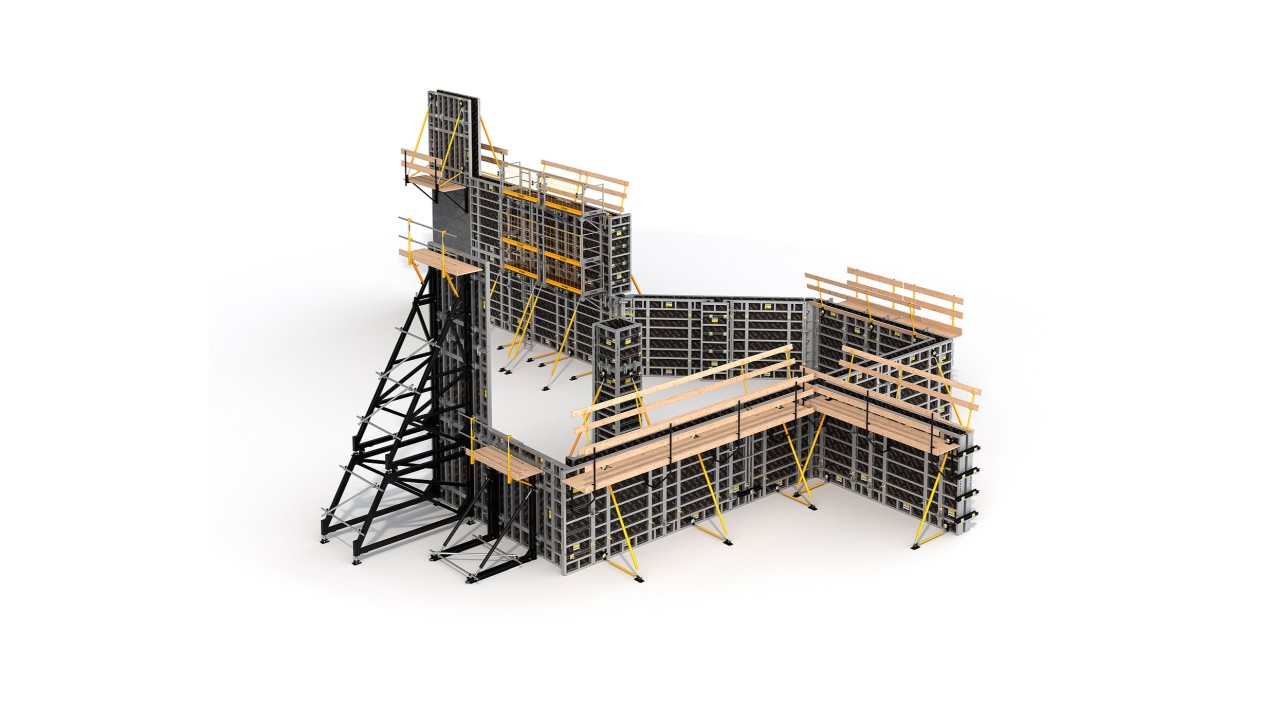
During concrete pouring, the deformation of the formwork system significantly impacts construction safety and structural quality. To meet the practical demands of engineering projects, formwork materials must strike a balance between strength, stiffness, durability, lightweight, and cost-effectiveness. This balance not only pertains to technical performance but also directly determines the material's market suitability and construction efficiency.
The Current State of Global Concrete Formwork Materials
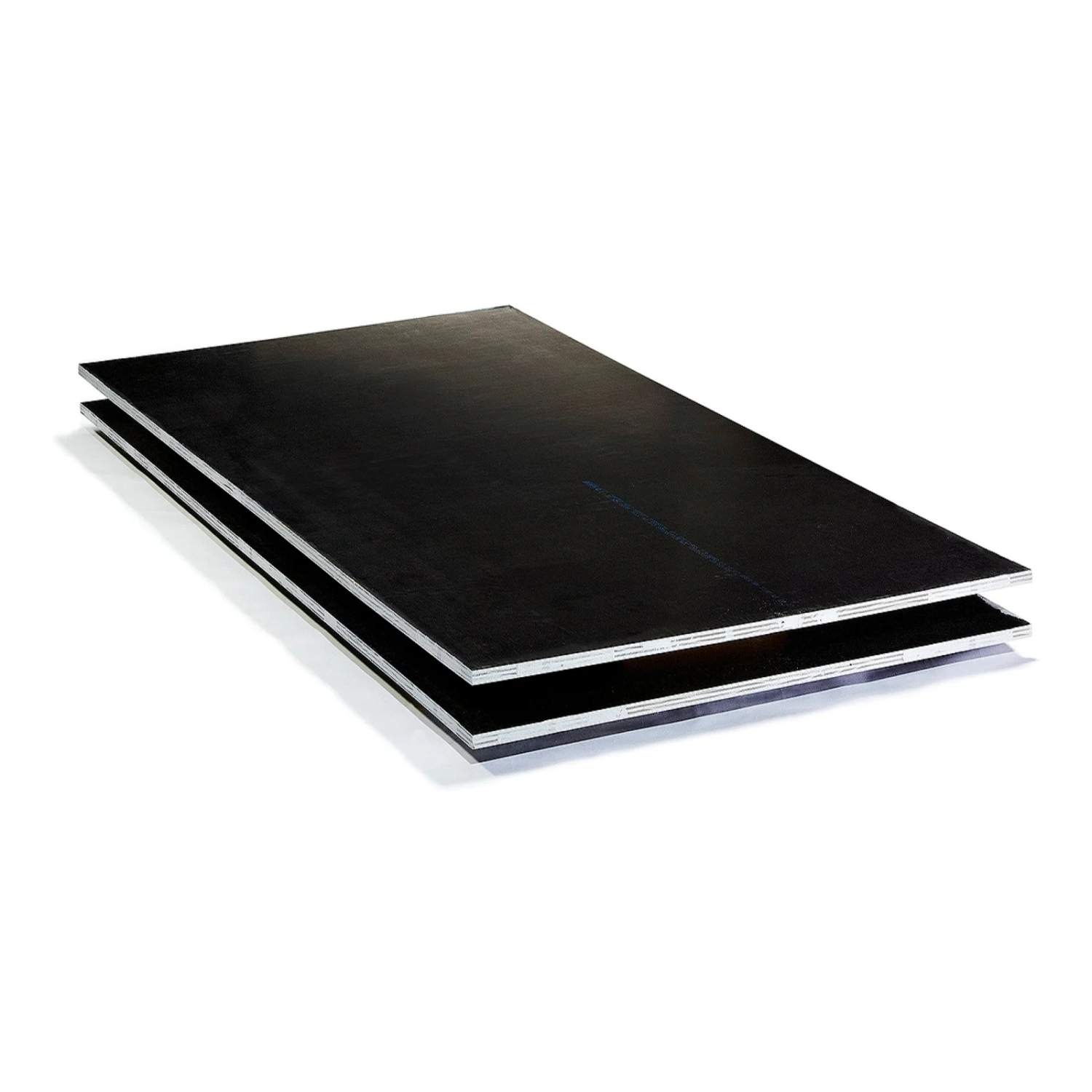
Currently, plywood is the most widely used formwork material globally, owing to its relatively balanced performance across these five core indicators:
1. Strength
- Plywood exhibits good compressive strength, sufficient to withstand the high-pressure loads generated during concrete pouring.
- Applications: Plywood’s moderate strength makes it particularly suitable for small-to-medium-scale concrete pours, and additional supports can be used to meet the demands of larger structures.
2. Stiffness
- Plywood offers moderate stiffness, effectively controlling deformation under load and ensuring the stability of the formwork system.
- Limitations: Compared to steel and aluminum formwork, plywood has relatively lower stiffness. For large-span formwork, additional supports may be required to limit excessive deformation.
3. Environmental Durability
- Plywood treated with surface coatings or waterproofing shows good resistance to moisture and abrasion, making it suitable for a variety of construction environments.
- Limitations: Long-term exposure to harsh weather conditions may degrade its durability, making it less robust than steel formwork.
4. Lightweight
- With a low density of 600-700 kg/m³, plywood is much lighter than steel and aluminum formwork, facilitating easier handling and installation.
- Practical Advantage: This is particularly beneficial in high-labor-cost regions, significantly improving construction efficiency and reducing labor requirements.
5. Cost-Effectiveness
- Plywood is cost-effective due to its low manufacturing costs and high reusability, making it a preferred choice for small-to-medium projects.
- Economic Considerations: While plywood offers lower initial costs, its limited durability may lead to higher replacement costs over extended use.

Challenges of New Materials: A Case Study on Polymer Formwork
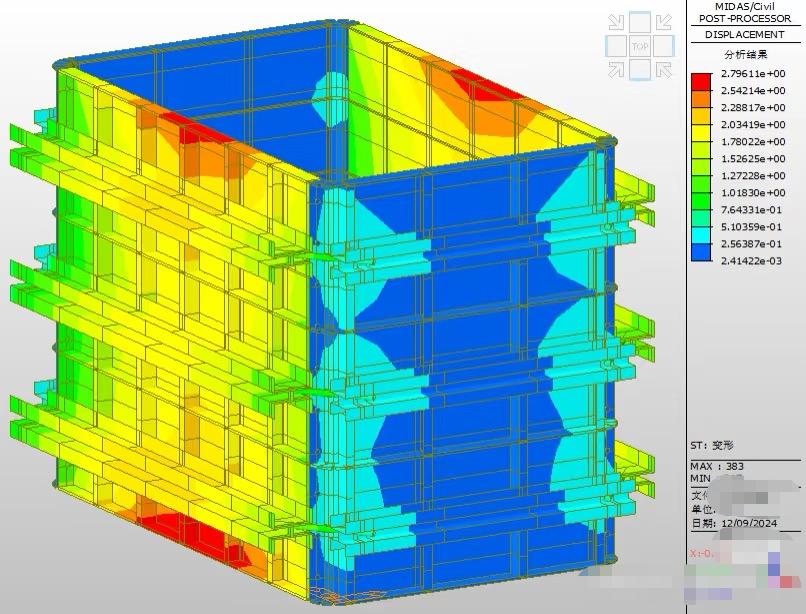
Recently, a formwork manufacturer sought to promote its new polymer formwork material in the Australian market and invited me to conduct a reliability and safety analysis. Using finite element analysis (FEA) software, I modeled a large-volume vertical concrete structure formwork system and simulated its mechanical behavior under real construction conditions.
Analysis Conditions and Results
- Loading Conditions: The analysis considered static loads (self-weight of the concrete) but excluded the dynamic loads caused by concrete pouring impacts and vibrations from worker consolidation activities, which would exacerbate deformation.
- Results: Even under static loads alone, the deformation of the polymer formwork exceeded acceptable safety limits, highlighting a significant deficiency in stiffness.
Proposed Solutions and Limitations
- Solution: Additional supporting beams and braces were recommended to improve the overall stiffness and stability of the formwork system.
- Feasibility: In Australia, where labor costs are high, such modifications would significantly increase construction complexity and overall costs, rendering the use of polymer formwork economically unviable.
Case Study Conclusion
While polymer materials show potential advantages in terms of lightweight and corrosion resistance, their insufficient stiffness and high costs limit their practical application, particularly in projects requiring high strength and stiffness.
Core Performance Indicators for Formwork Materials
In practical engineering, the selection of formwork materials must comprehensively consider the following five core performance indicators:
1. Strength
- Definition: The material’s ability to resist failure under tensile, compressive, and shear forces.
- Key Role: Determines whether the formwork can withstand the enormous pressure generated during concrete pouring.
- Example: Steel has a tensile strength of up to 700 MPa, whereas plastic formwork typically falls below 50 MPa.
2. Stiffness
- Definition: The material’s resistance to deformation, directly related to its elastic modulus (Young’s Modulus).
- Key Role: Ensures that the formwork maintains controlled deformation under concrete loads, preserving structural accuracy.
- Example: Steel formwork has an elastic modulus of approximately 200 GPa, compared to just 10 GPa for plywood.
3. Environmental Durability
- Definition: The material’s ability to maintain performance under varying environmental conditions, including resistance to corrosion, weathering, and chemical exposure.
- Key Role: Directly affects the formwork’s lifespan and adaptability, especially in high-moisture or corrosive environments.
- Example: Stainless steel formwork demonstrates excellent durability, while untreated plywood requires protective coatings to enhance its service life.
4. Lightweight
- Definition: The ability of the material to minimize weight while meeting strength and stiffness requirements.
- Key Role: Reduces handling and installation labor, particularly beneficial in high-rise buildings or regions with high labor costs.
- Example: Plywood and plastic formwork are lightweight and easy to handle, while steel formwork, although robust, adds significant weight and complexity to the construction process.
5. Cost-Effectiveness
- Definition: The material’s overall cost performance, including initial investment, installation costs, reusability, and maintenance expenses throughout its lifecycle.
- Key Role: Balances technical performance with budget constraints to ensure project feasibility.
- Example: Aluminum formwork has high upfront costs but delivers excellent cost-effectiveness over multiple uses, whereas plywood is more affordable initially but less durable.
Future Directions
As construction technologies evolve, formwork materials must achieve better performance across strength, stiffness, durability, lightweight, and cost-effectiveness. Promising developments include:
- Advanced Polymer Composites: Enhancing strength and stiffness while reducing production and processing costs.
- Low-Cost Carbon Fiber Technologies: Simplifying manufacturing to make carbon fiber accessible for broader applications.
- Sustainable Improvements in Traditional Materials: Developing more eco-friendly plywood, corrosion-resistant steel, or high-performance plastic formwork to improve market applicability.
By integrating innovative materials with optimized design, the future of concrete formwork systems will be more efficient, economical, and sustainable.
Conclusion
This article compares the performance of plywood, polymer formwork, and other materials, illustrating that selecting formwork materials requires balancing strength, stiffness, durability, lightweight, and cost-effectiveness. Identifying the optimal trade-off between these indicators based on project-specific needs is key to achieving safe, efficient, and cost-effective construction.

Author: Scott CHEN