
ArticleEngineering & construction
Lismore’s Flooding Problem: Causes, Government Response, and Solutions
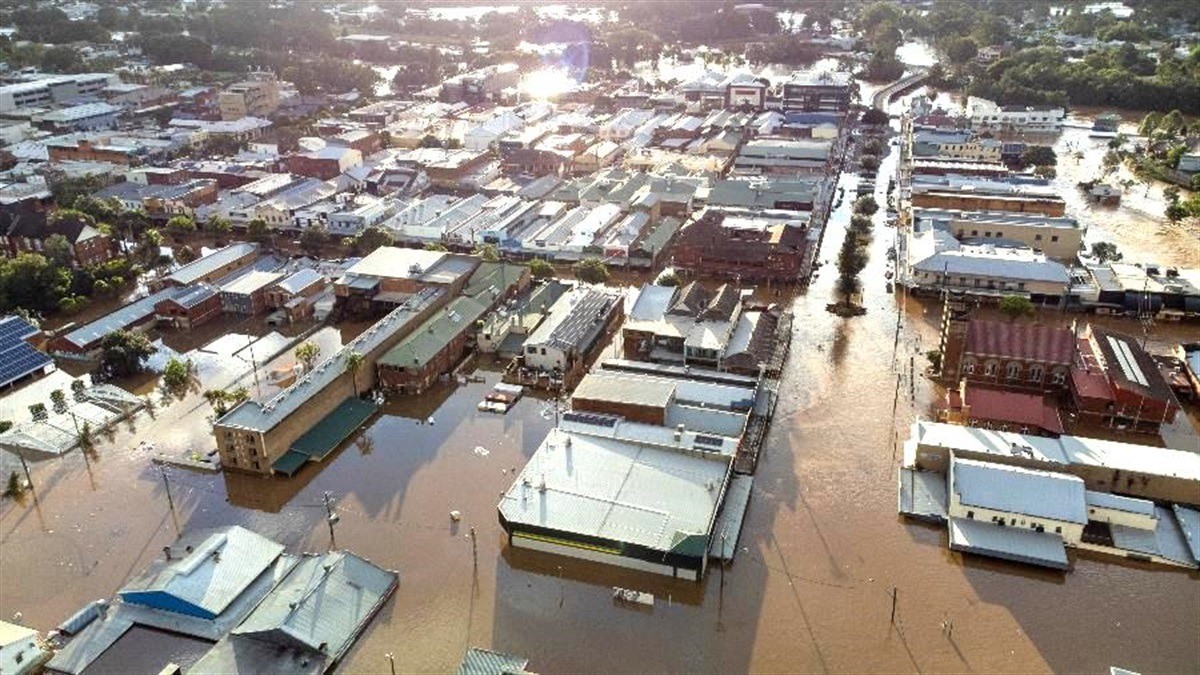
In this article, I will conduct an in-depth analysis of why Lismore, NSW, is so prone to flooding. This will include geographical, hydrological, and climatic factors contributing to its history of severe floods. Additionally, I will examine whether the NSW government has taken adequate measures to mitigate flooding and assess further actions that could be implemented.
The research will cover three key aspects:
- Engineering solutions (e.g., levee upgrades, floodgates, improved drainage systems, managed retreat)
- Administrative policies (e.g., zoning laws, disaster response, insurance schemes, buyback programs)
- Environmental approaches (e.g., wetland restoration, afforestation, river channel modifications)
I will provide a balanced analysis of what has been done, where failures have occurred, and what additional measures are practical for long-term flood resilience in Lismore.
Root Causes of Flooding
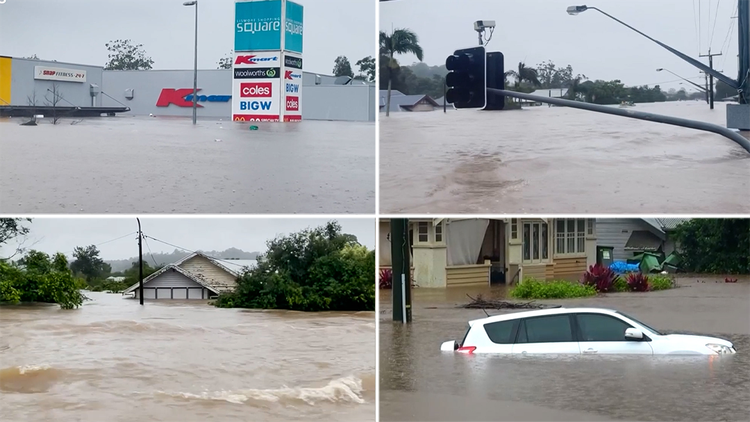
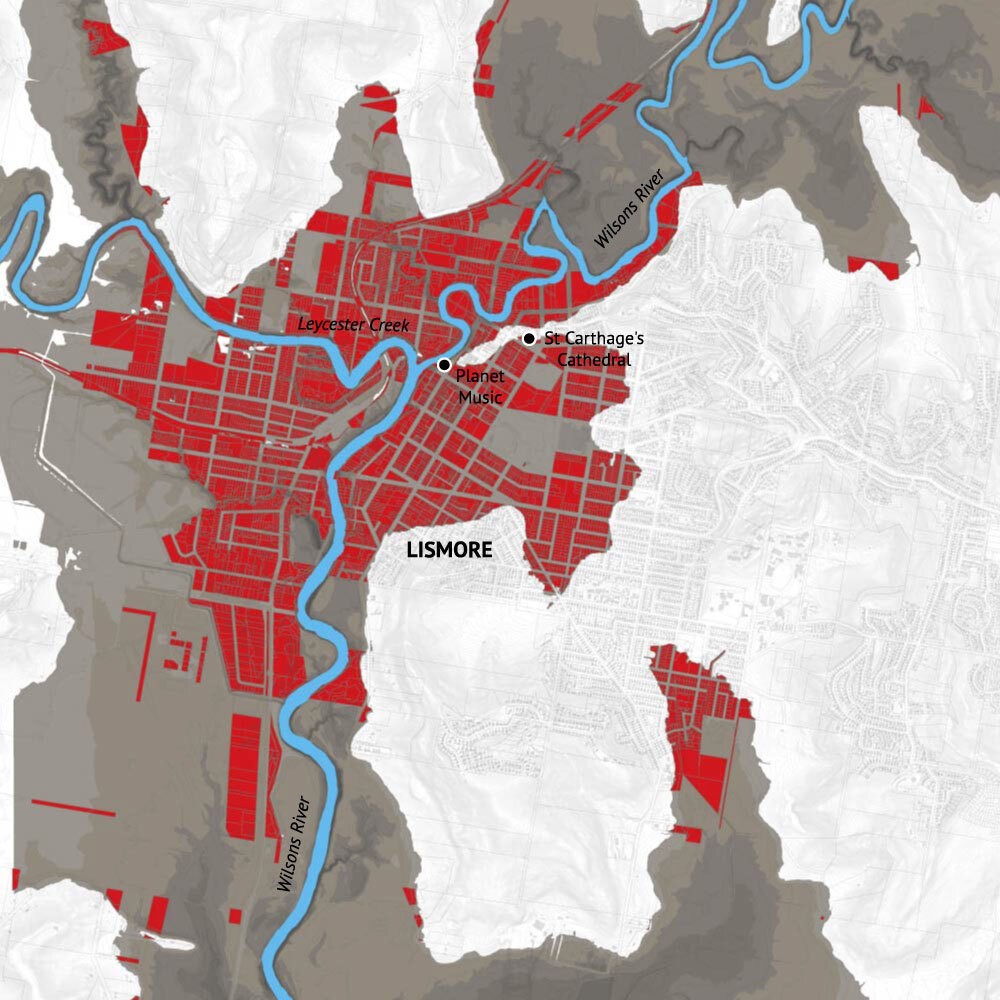
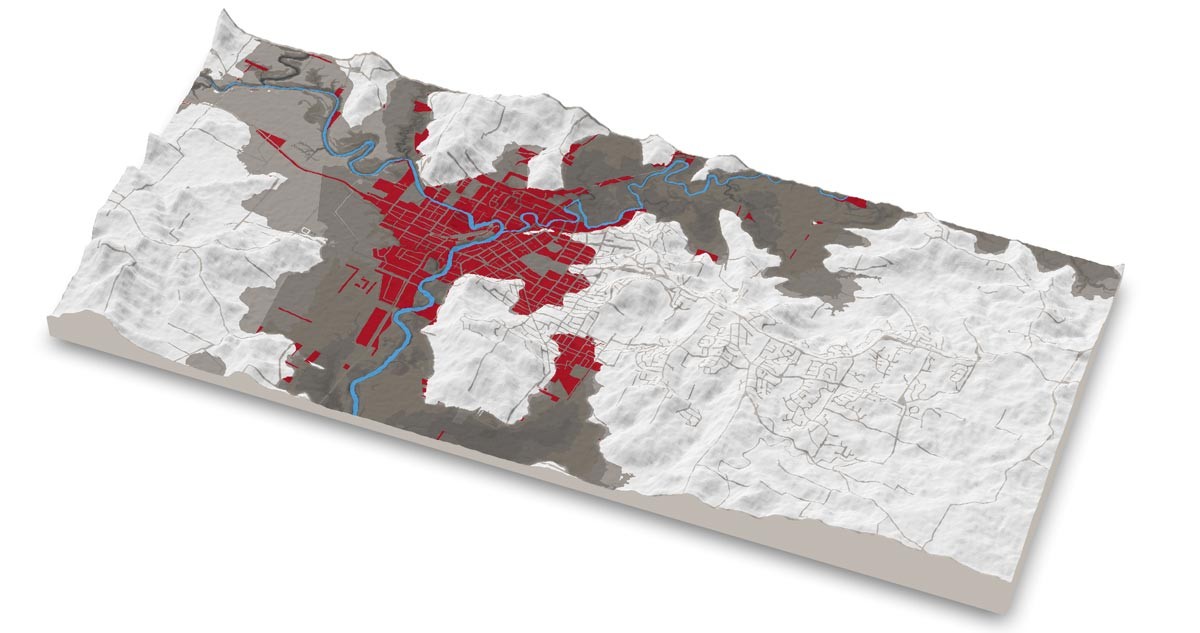
- Geographical & Hydrological Factors: Lismore sits in a low-lying flood basin at the confluence of two rivers – the Wilsons River and Leycester Creek – which join right at the town. These rivers drain a large catchment (about 1,400 km²) of steep surrounding hills, so intense rain sends huge volumes of runoff into Lismore’s bowl-like floodplain. The local topography further amplifies floods: the hilly terrain upstream narrows the floodplain, causing water to pile up deeper at Lismore before spreading out downstream. Once the rivers overflow, much of the city can be inundated, as seen in 2022 when floodwaters covered a 5 km wide area around Lismore.
- Climatic Influences: The region’s high rainfall makes flooding a perennial risk – Lismore’s average annual rain (~1800 mm) is three times the Australian average. Extreme downpours tend to occur during La Niña phases (wet summer seasons), which bring sustained heavy rains. The catastrophic 2022 floods, for example, followed an unusually wet La Niña period and dumped record rainfall (700 mm in 24 hours at one site) over the catchment . Climate change is also stacking the deck toward more frequent and intense floods: a warmer atmosphere holds more moisture, fueling extreme rainstorms . Climate projections show heavier rainfall events and larger flood peaks in eastern Australia as temperatures rise . In short, Lismore faces a worsening flood risk as natural wet cycles combine with climate-driven extremes.
- Urban Planning & Historical Settlement: Despite the floodplain risk, Lismore was established in the 19th century on the river flats as an inland port and agricultural hub . Early European settlers cleared forests and drained wetlands for farms and built the town on the fertile lowlands, unlike the local Indigenous people who wisely avoided permanent settlement on flood-prone ground . Over time, much of Lismore’s urban development spread across the floodplain, locking in a high exposure to floods. Inexpensive flat land led to homes and businesses being built in flood zones – often lower-income communities settled in the most flood-prone areas, since safer high ground was taken by the more affluent . This historical pattern means that a significant portion of Lismore’s housing and infrastructure sits in nature’s path, making major inundation almost inevitable when big floods occur.
Government Response and Its Effectiveness
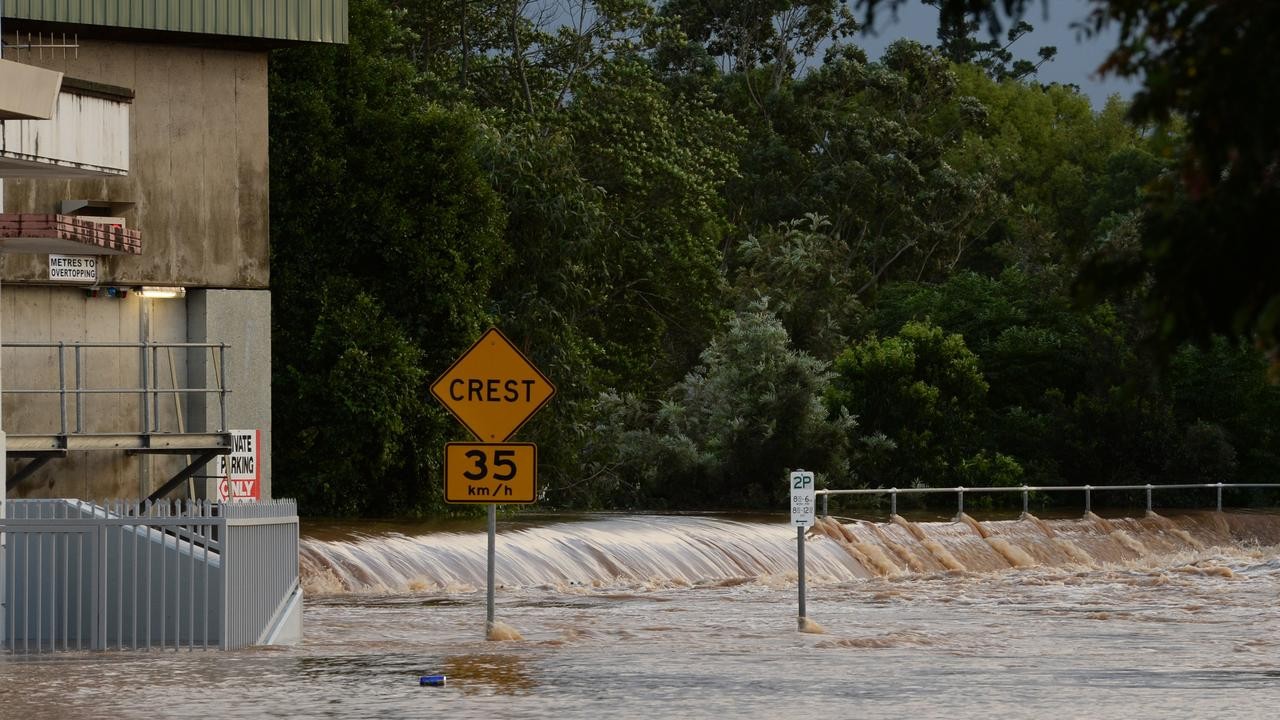
- Existing Flood Mitigation Measures: Over the years, authorities have implemented structural defenses to reduce flood damage. The centerpiece is Lismore’s levee system – a 3 km flood wall completed in 2005 at a cost of $21 million . The main CBD levee (about 10.5–10.7 m AHD high) was designed to protect the city center from up to a “1-in-10 year” flood and give extra hours of warning before higher floods . These levees successfully hold back minor and moderate floods, sparing the CBD from frequent inundation – for example, they averted flooding in several events in the 2000s and 2010s. However, they offer limited help in major floods. When floodwaters rise above ~10.5 m, the city’s levee is overtopped (or water enters via designed spillways), and Lismore still floods . In March 2017, the levee was breached for the first time, and again twice in 2022, as those floods exceeded the levee’s design height by several meters. Aside from levees, some drainage improvements and pump stations (e.g. the Browns Creek pump) were added to remove local rainwater from behind the levee . These help with inner-city flash flooding but can be overwhelmed by extreme rainfall. Overall, the hard infrastructure in place has reduced the frequency of small flood damages, but it was not built for rare mega-floods – leaving a significant “residual risk” that was tragically realized in events like 2017 and 2022.

- Early Warning Systems & Emergency Response: Lismore has a flood warning system operated by the Bureau of Meteorology and NSW State Emergency Service (SES), including river gauges and alert sirens, intended to give residents time to evacuate. The SES issues evacuation warnings when flood heights are forecast to exceed certain levels. In practice, warnings and response have had mixed success. For routine floods, the system has helped people move belongings and get to safety in time . But during the record 2022 flood, the event broke all forecasts – water rose so rapidly overnight that many residents awoke to flooding in their homes with little or no warning . The SES, stretched by the unprecedented scale, struggled to reach everyone; countless rooftop rescues were performed by community volunteers when official resources were overwhelmed. A Human Rights Watch investigation found that authorities failed to adequately warn or assist the most vulnerable residents (such as the elderly and people with disabilities) during the 2022 disaster, leaving them in life-threatening situations . This exposed serious shortcomings in emergency preparedness for extreme scenarios. Since then, the government and SES have faced scrutiny over their flood response and have been working to improve disaster communication, but confidence in the warning system was understandably shaken. In summary, normal flood response protocols exist (and have saved lives in past events), but the effectiveness falters in ultra-extreme floods, where the speed and magnitude exceeded planning assumptions.
- Government Policies, Funding & Relief Efforts: The NSW government and Lismore City Council have policies for floodplain management and have provided relief after big floods. Land-use planning controls were updated in recent years (2014 and ongoing) to restrict development in high-risk zones and set minimum floor heights for new buildings . After the 2022 disaster, planners are considering raising the official Flood Planning Level to account for climate change and larger possible floods . In terms of recovery funding, the 2022 floods triggered massive state and federal assistance: emergency grants, rebuilding funds, and a landmark $800 million Resilient Homes program. This program (announced late 2022) offers voluntary home buyouts, house-raising grants up to $100k, and retrofitting funds to make homes flood-safe . Roughly 2,000 of the most at-risk households across the Northern Rivers (including Lismore) are eligible for buyouts or upgrades under this scheme . The government is also investing in finding safer land for redevelopment (allocating $100 m to purchase and prepare new housing sites on higher ground) so that relocated residents have somewhere to go . These policy responses indicate a shift toward long-term risk reduction (not just rebuilding in place). Nonetheless, implementation is challenging – demand for buyouts has outstripped initial funding, and relocating whole communities takes time. After past floods, relief efforts have often fallen short of fully “flood-proofing” the town. For instance, despite repeated floods, significant structural mitigation beyond the levee was deferred for decades due to funding and political hurdles . Consistent funding for large-scale works or relocations was hard to secure until the calamity became undeniable. In short, government support has helped with recovery and some risk reduction, but prior to 2022 it was piecemeal. Only now, post-disaster, are more ambitious (and costly) measures like buybacks being rolled out.
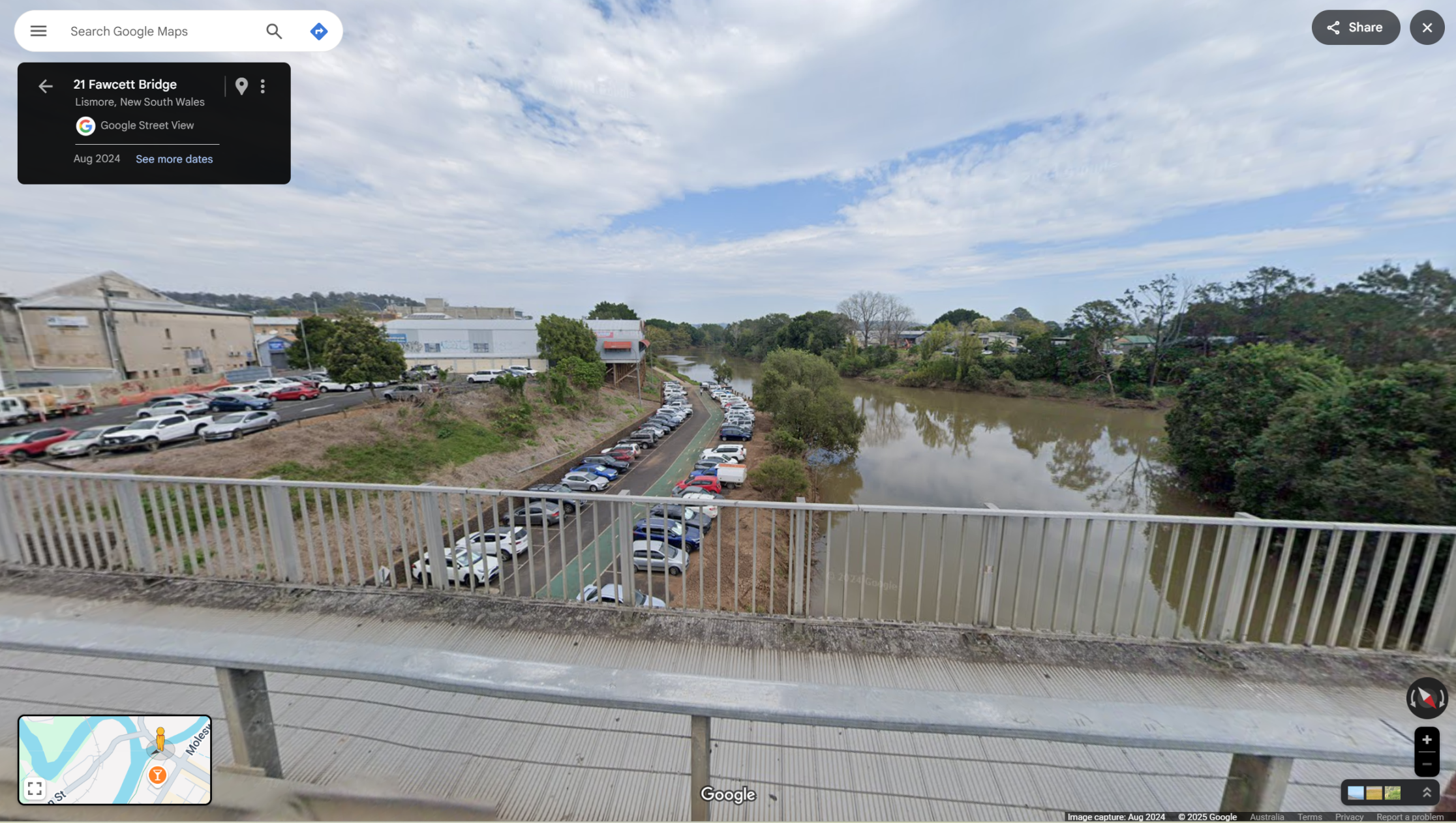
- Effectiveness of Past Measures: Many flood mitigation measures in Lismore have provided partial benefits but ultimately failed to prevent catastrophic flooding. The levees, for example, successfully kept moderate floods out of the CBD for 12 years, lulling some into a sense of safety, but they were overwhelmed by the 2017 and 2022 floods that far exceeded design levels . When those levees overtopped, the damage was immense – highlighting the “levee paradox” where a levee can reduce day-to-day risk but worsen the impact of an extreme event by encouraging development behind it . In Lismore’s case, decades of reliance on the 10.5 m levee left the town ill-prepared for a 14 m flood. Early warning and emergency plans also proved insufficient for an event of that magnitude, as noted above. Past engineering fixes (drainage, minor levee work) did little against record floods. Meanwhile, land-use planning had limited effect because much of the city’s building stock was grandfathered in floodplain locations, and enforcement of stricter zoning (like preventing rebuilds on the lowest ground) has been controversial and slow. Overall, Lismore’s experience shows that historic measures were not enough for the scale of floods now occurring. In fairness, those measures (levees, etc.) were never intended to stop a once-in-100 or 500-year flood – but such events have now struck twice in quick succession. This suggests previous risk assessments underestimated the true hazard, possibly due to climate shifts. The stark outcome is that past flood defenses and policies failed to protect Lismore from severe floods, largely because of their limited scope and the unforeseen extremity of recent events. This hard lesson is driving calls for new approaches to finally break the cycle of destruction.
Possible Solutions for Lismore’s Chronic Flooding
An effective response to Lismore’s flood problem will need a combination of engineering works, policy changes, and environmental interventions . No single fix can eliminate the risk, but several realistic steps can together reduce the impact of flooding and improve community safety:
- Engineering Strategies:
- Policy and Administrative Solutions:
- Environmental (Nature-Based) Measures:
Objective assessment – what works and what doesn’t: Each category of solution has its role and limitations. Engineering works (like levees, channels, dams) can provide concrete protection but often only up to a certain threshold, and they can be hugely expensive and potentially shift risk elsewhere. Administrative measures (like zoning and retreat) directly reduce exposure but must be handled equitably and require political will and funding to relocate communities. Environmental solutions contribute to long-term risk reduction and sustainability, but generally work best for frequent, lower-level floods rather than completely stopping extreme events. In Lismore’s case, past experience shows that relying on any single approach is not enough – the levees helped until they failed; warnings were useful until a flood came too fast; and many previous studies and plans sat idle because stakeholders couldn’t agree on a one-size-fits-all fix. Going forward, a multi-pronged strategy is widely seen as the realistic path . This means pursuing a blend of solutions: strengthen levees or infrastructure where feasible, but also move the most flood-vulnerable assets out of danger, enforce smarter land use, and restore natural flood buffers. Some measures (like moderate levee raises, house raising, improved alert systems) can yield benefits in the short term. Others, like voluntary buybacks and ecosystem restoration, will play out over years.
In conclusion, Lismore’s chronic flooding is a complex problem rooted in geography and history, now exacerbated by climate extremes. No solution is simple, but by combining engineering defenses with prudent planning and natural water management, the city can substantially lower its flood risks. Important steps are already in motion – from rebuilding homes on higher ground to revising flood models for a warmer climate – yet much work remains. Lismore will likely never be completely “flood-proof,” but it can become safer and more resilient. The key is to learn from what has not worked (e.g. under-designing infrastructure, neglecting worst-case scenarios) and to invest in a layered approach that includes structural protections, strong emergency systems, reducing development on the floodplain, and working with nature’s capacity to absorb floods. This holistic strategy stands the best chance of breaking the cycle of devastation and ensuring Lismore’s future is not defined solely by the next big flood.
Author: Scott CHEN / CPEng, NER, Registered Civil & Structural Engineer, Licensed Builder