
ArticleEngineering & construction
From Stone to Concrete: A Personal Reflection on How Humanity Reinvented Stone - Concrete (Liquid Stone)
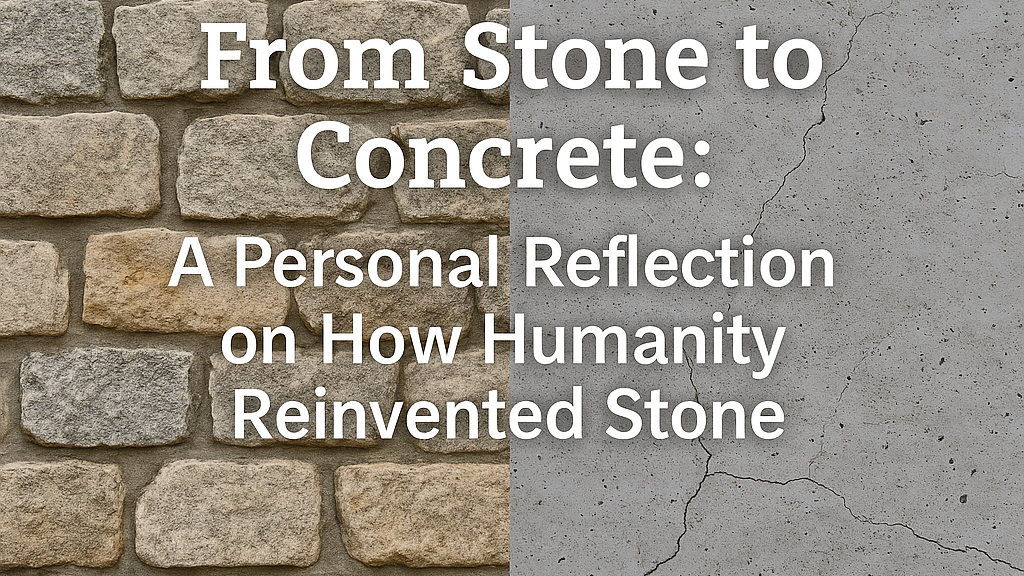
As a civil structural engineer dealing with stone and concrete every single day, I’ve always been fascinated by one simple yet profound idea:
Concrete is not the end of stone — it is the evolution of stone.
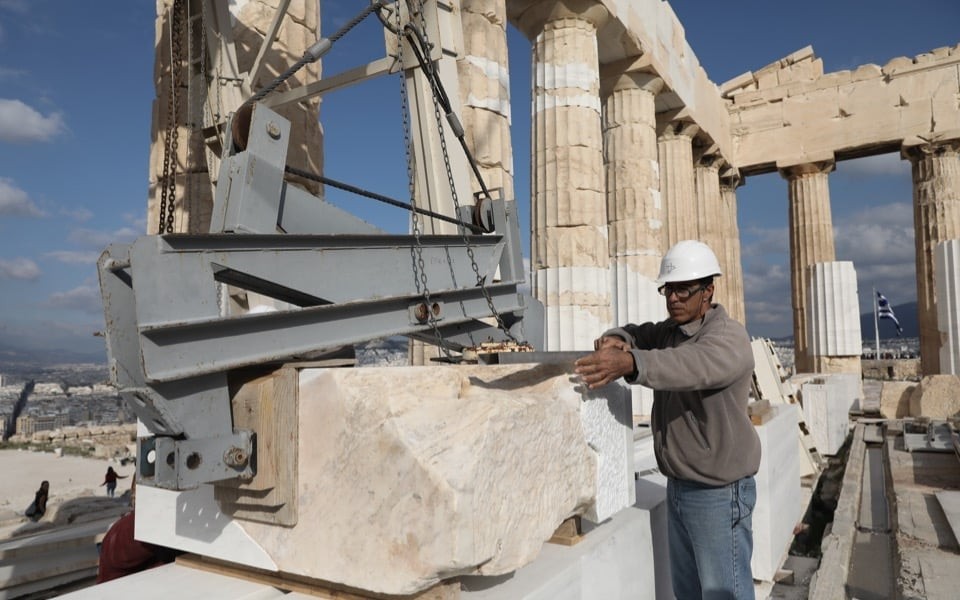
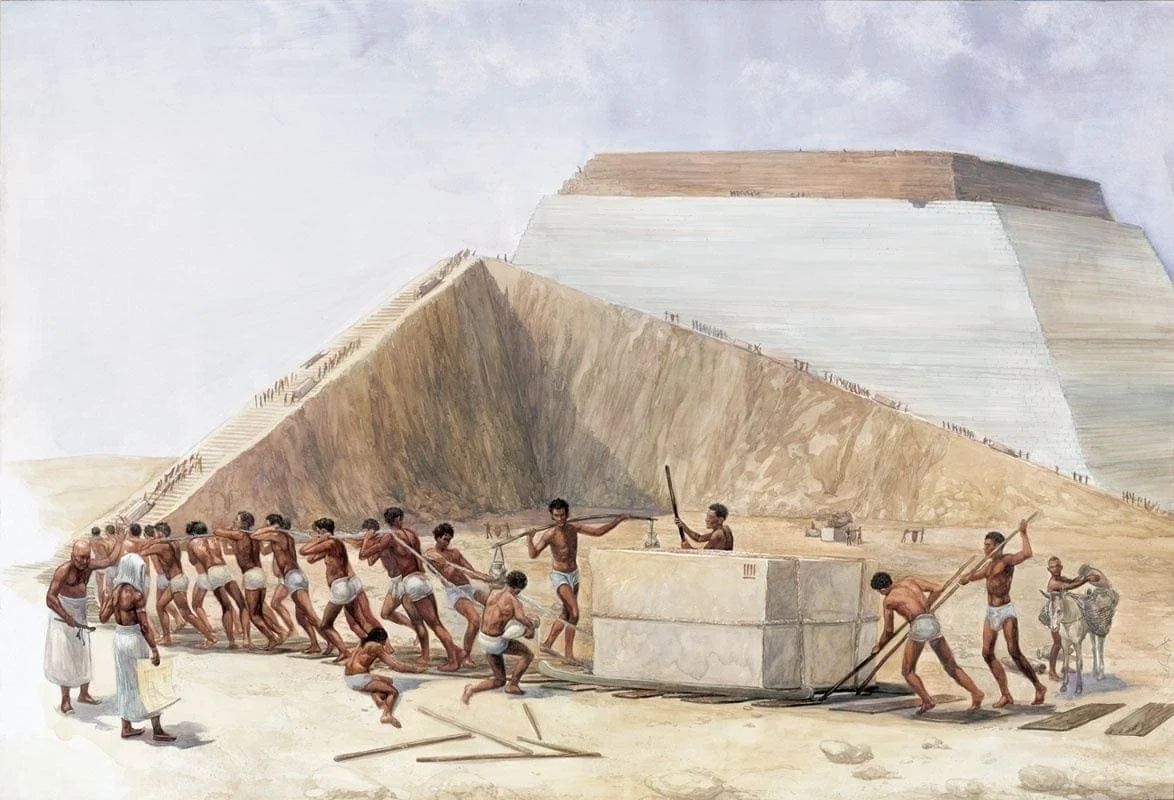
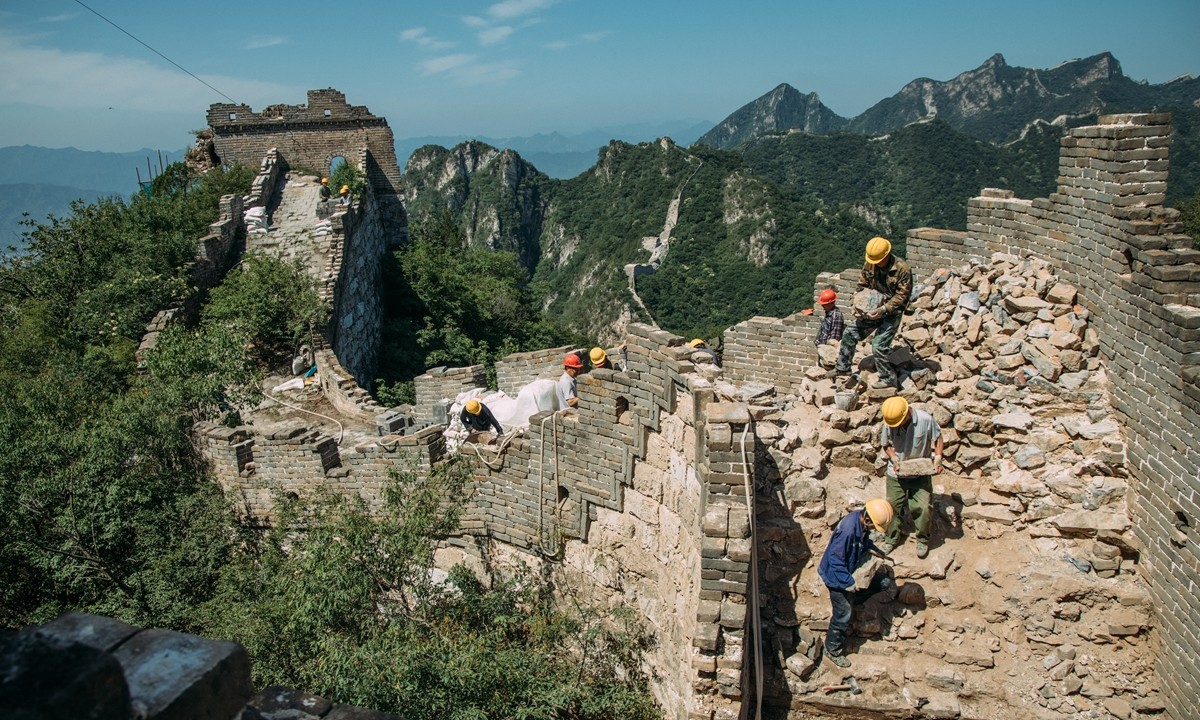
From the Great Wall of China to the Pyramids of Egypt and the Parthenon in Athens, human civilization was built—quite literally—on stone. Stone represented permanence, resistance to time, and the will to endure. But carving, transporting and stacking stone was extremely labor-intensive and limited the scale of what we could build.
Concrete — turning stone into a fluid material
When concrete was invented, humanity changed the rules. We stopped carving stone. Instead, we created fluid material - liquid stone by pouring crushed rock, sand, water, and cement into formwork to let it harden into a new, man-made rock - concrete.
Concrete didn’t replace stone. It is an industrialized stone.
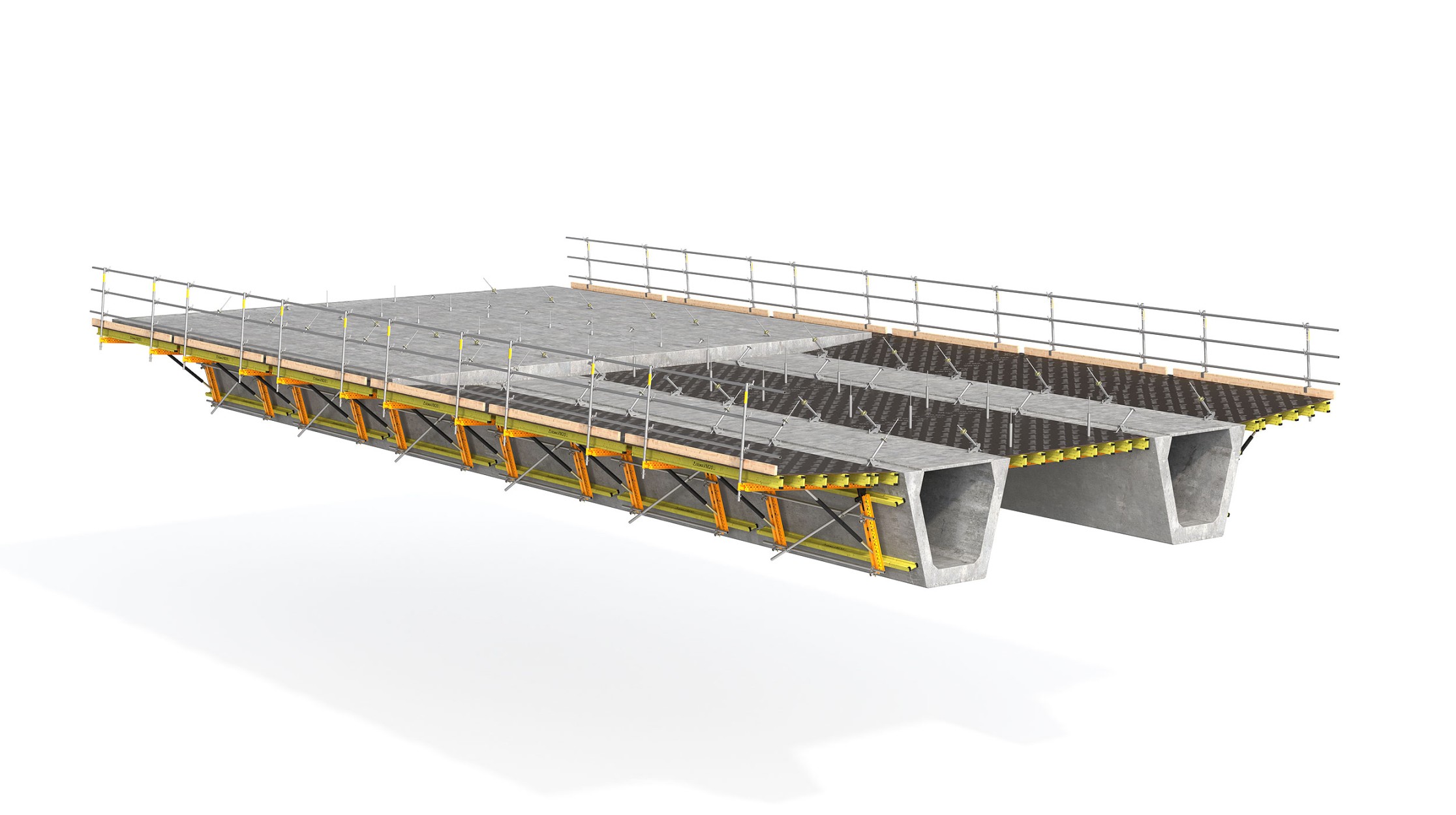
Why I keep thinking about the Chinese character “砼”
As a Chinese engineer, I find the character “砼” (tóng) incredibly poetic and accurate. It was invented when modern concrete arrived in China.
- The left side “石” means stone.
- The right side “同” implies togetherness and also gives the sound.
So “砼” literally means: stones unified — artificial rock.
It perfectly captures what concrete truly is: not soil, not mud, but engineered stone. Every time I write “钢筋砼结构” (reinforced concrete structure) on drawings, I feel a connection— from ancient stonemasons to modern engineers, we are still shaping stone, just in a new way.
Reinforced concrete: humanity’s first attempt to redesign stone itself
Natural stone is strong in compression but weak in tension. That’s why ancient builders used arches, domes and massive walls.
Concrete changed half of that. Steel changed the rest.
- Concrete carries compression like mountains.
- Steel takes tension and bending, like muscle and tendons.
- Together, they form the first engineered rock with both strength and flexibility.
For the first time in history, we didn’t just use stone — we redesigned stone’s mechanics.
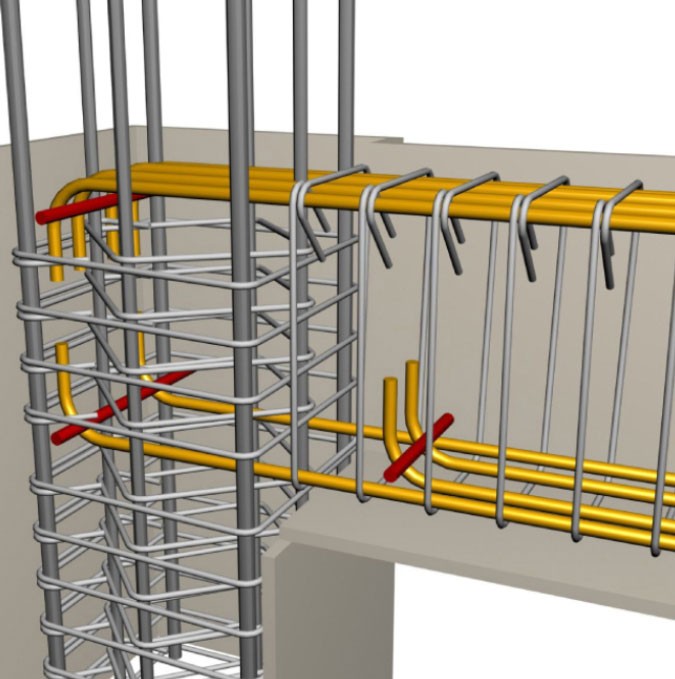
Figure 5. The combination of steel and concrete marks a defining milestone in human civilization — it fundamentally reshaped our world.
Mix design — the soul of concrete
People often think concrete is just “cement and water”. But any engineer knows: mix design is its true craftsmanship and science.
It involves: ✔ Aggregate gradation — forming a dense stone skeleton ✔ Water–cement ratio — balancing strength, durability, shrinkage ✔ Admixtures — controlling flow, cracks, time ✔ Structure–material interaction — casting rock with purpose
In other words: mix design is the modern art of stonemasonry.
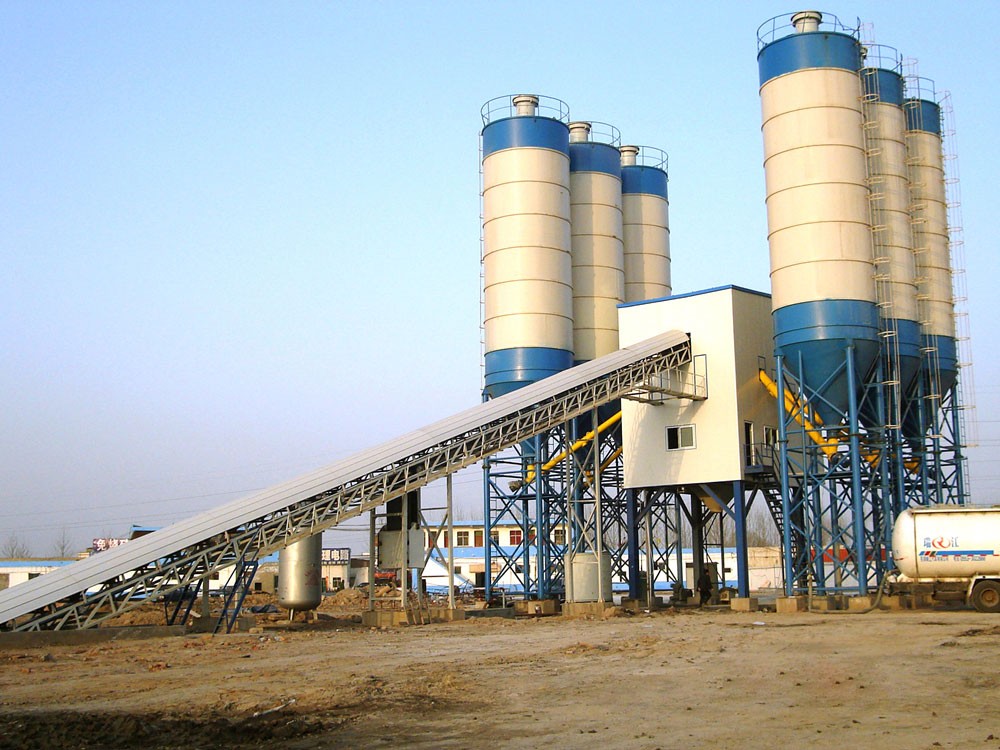
Figure 6. Modern concrete plants are capable of accurately designing bespoke mix formulas and delivering them according to project specifications.
Conclusion
Concrete is not the death of stone architecture. It is stone, reborn in liquid form.
We no longer build by stacking rocks. We pour mountains into shape.
Humanity is still building on stone — only now, we engineer the stone ourselves.
#Concrete #StructuralEngineering #CivilEngineering
#MaterialPhilosophy #EngineeringCulture #ReinforcedConcrete
#HistoryOfConstruction #StoneToConcrete #EngineeringThoughts
#ArchitectureAndCivilization #ChineseEngineerPerspective