
ArticleEngineering & construction
From Shanghai to Sydney: Why Are We Still Stuck in the Traditional "Two-Step" Shoring Design Workflow?
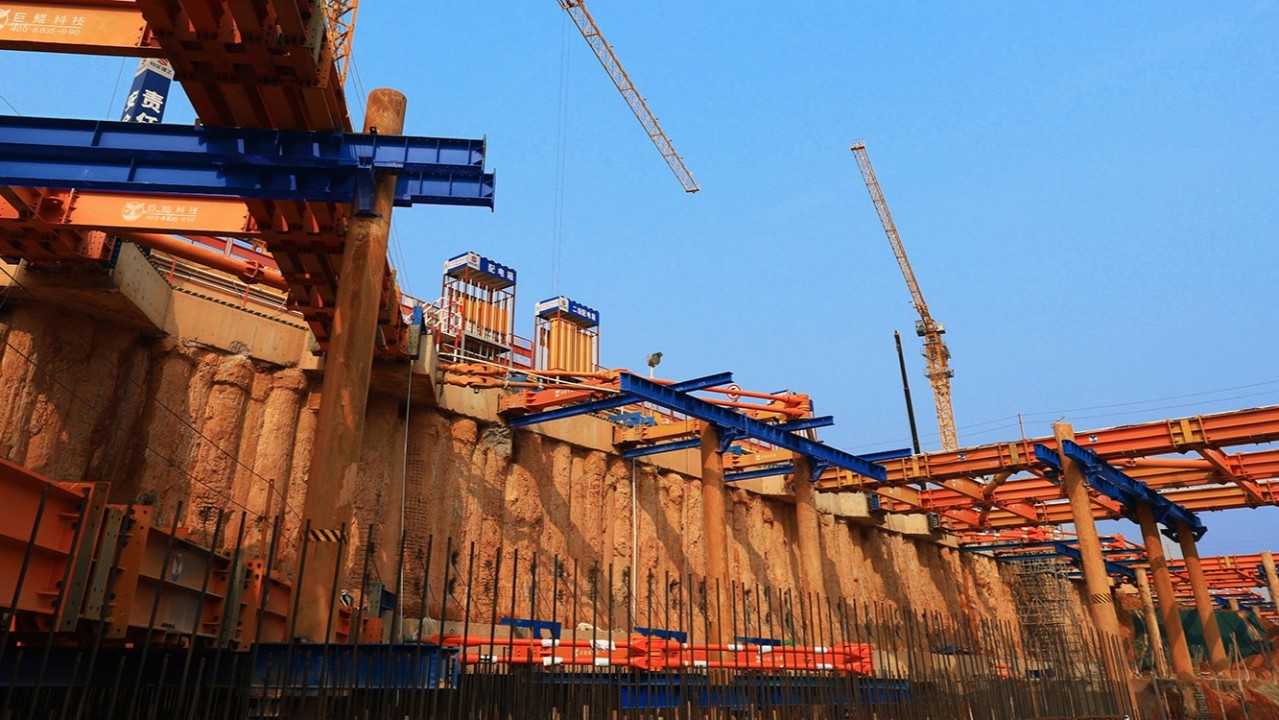
Before relocating to Australia, I spent a significant chapter of my engineering career in Shanghai, China—a megacity built on challenging deep soft alluvial clay, dealing with high water tables, and home to some of the deepest, most complex basement excavations globally.
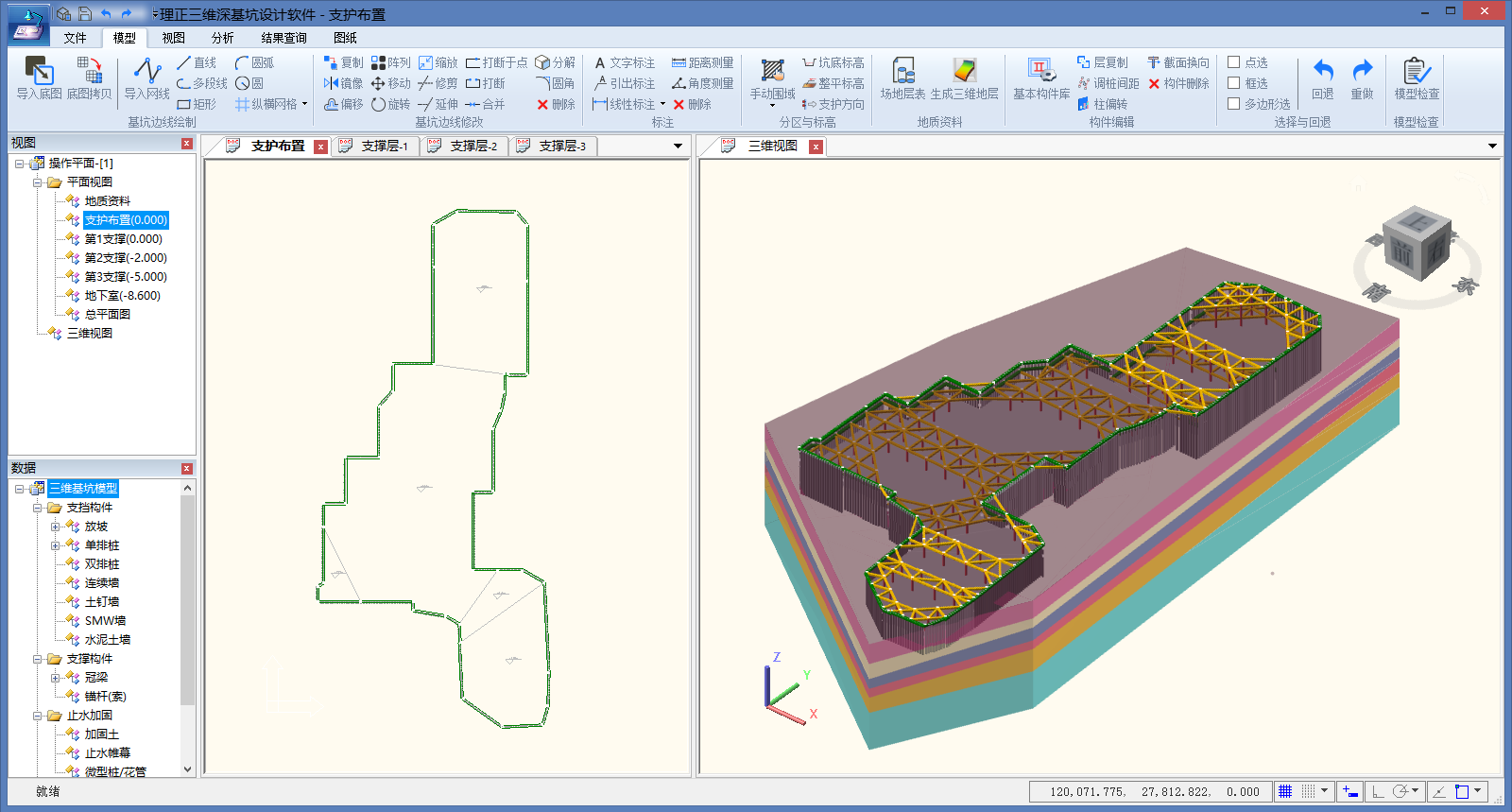
In that environment, we became deeply accustomed to highly integrated digital workflows. Take China’s industry standard, Lizheng Software, for instance [lizheng.com.cn]. Their latest 3D Deep Excavation BIM suite delivers a seamless "One-Stop-for-All"正向 (forward) design experience. From importing 3D geological data to parametric modelling, engineers build the entire retaining structure (e.g., diaphragm walls, contiguous piles) and the intricate internal steel strutting systems (waler beams, capping beams, horizontal struts, rakers, and king posts) in a single integrated 3D interface. The software uses 3D incremental finite element methods for global structural coordination, automatically computes material reinforcement schedules, and spits out fully bundled structural detailing drawings.
When I transitioned to the Australian engineering scene, I expected to see a parallel level of software cohesion. To my surprise, I discovered that the vast majority of local shoring consultants and temporary works designers are still operating in a heavily decoupled, manual "Two-Step" practice:
1️⃣ The Geotechnical Step: Run a 2D elastic subgrade reaction analysis in WALLAP or Oasys Frew to model multi-stage excavation, determining the nominal lateral earth pressures and prop forces per metre under AS/NZS 4678. 2️⃣ The Structural Step: Extract those nominal reaction forces, compile them into an Excel spreadsheet, manually rebuild a separate 3D structural frame in Space Gass, apply those forces as node loads, and run structural code compliance and member buckling checks under AS/NZS 4100.
While the software brands change and the design codes differ (AS 4678 and AS/NZS 4100 instead of Chinese JGJ/GB standards), the underlying soil-structure physics, structural mechanics, and structural bottlenecks remain exactly the same.
Having delivered complex shoring and strutting works under both regulatory frameworks, I’ve experienced firsthand how painful and risky this legacy "Two-Step" workflow can be:
- Severely Fragmented Data: A typical deep basement can go through 10+ dynamic construction stages (excavating, propping, pre-stressing, de-propping, and slab casting). Migrating raw forces manually between two independent software packages across dozens of load combinations is an administrative nightmare and an open invitation for human error or missed critical load cases.
- The Effective Length Guesswork: Heavy 3D corner struts or rakers experience critical second-order (P-Δ and P-δ) buckling under massive axial loads. Because Space Gass is blind to the real-time, dynamic displacement of the shoring wall from the geo model, structural engineers are forced to conservatively guestimate effective length factors (k-factors). This inevitably leads to massive over-designs, driving up steel tonnages and bloating the builder's material costs just to cover the data gap.
Why is this legacy workflow still so deeply entrenched in Australia?
- The Comfort of Precedent: Many of our industry’s senior CPEng reviewers grew up verifying WALLAP's signature blue-and-green deflection curves. There is a psychological comfort in trusting simplified 2D outputs, making them inherently cautious of modern, integrated 3D structural-geotechnical solvers.
- The Billable Hour Sunk Cost: Traditional engineering models thrive on structured handovers—the geo team works for three days, the structural team works for two. The process is sluggish, but it fits legacy project management timelines perfectly.
The Turning Point: Keeping Up with D&C Market Realities
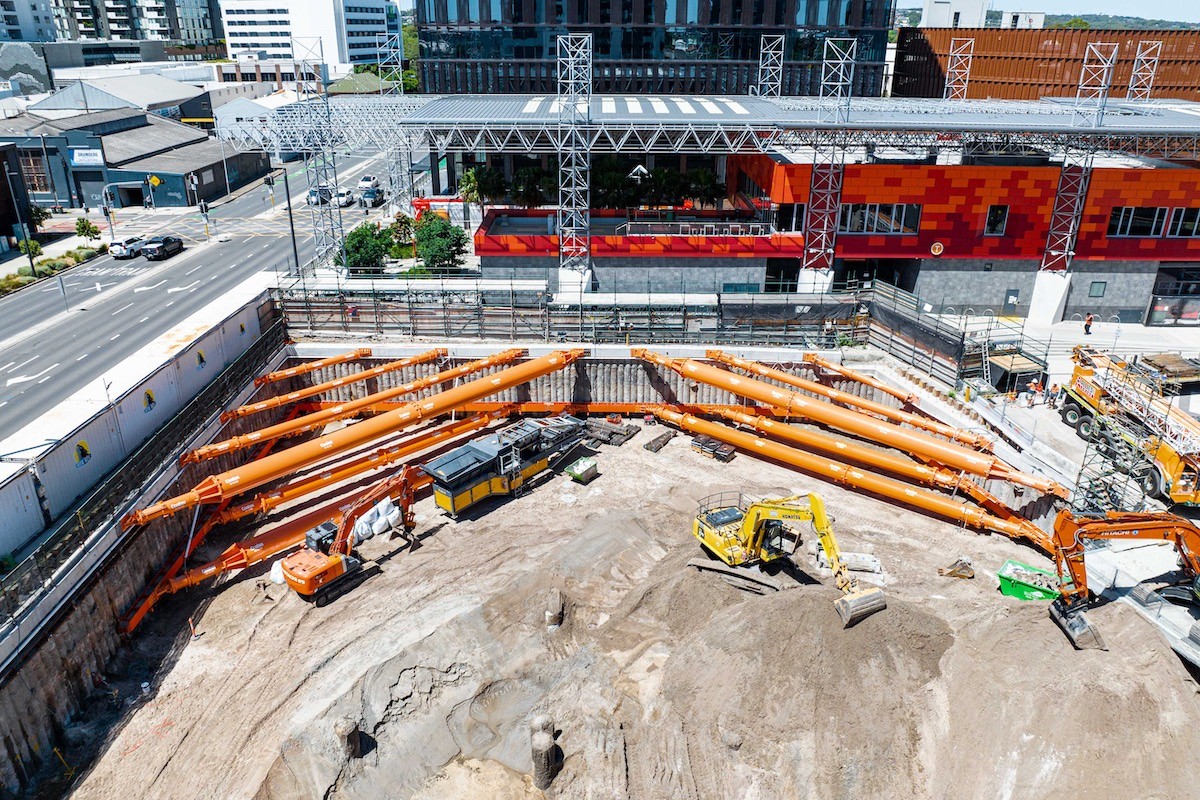
The commercial environment in modern Australian construction is forcing a paradigm shift. With the massive boom in Design & Construct (D&C) contracts, Tier 1 and Tier 2 builders no longer tolerate slow design turnarounds. Simultaneously, the legal gridlock of securing ground anchor easements (Encroachment) over neighbouring property boundaries in high-density areas like Sydney and Melbourne has led to a major surge in heavy-duty, proprietary, recyclable modular structural steel strutting and waler systems.
If you are pitching for a D&C tender using legacy methods, you are leaving money on the table. Progressive local consultants and specialised contractors are bypassing the "WALLAP + Space Gass" silo entirely, moving toward true unified design packages like DeepEX (with 3D Frame modules) [deepexcavation.com].
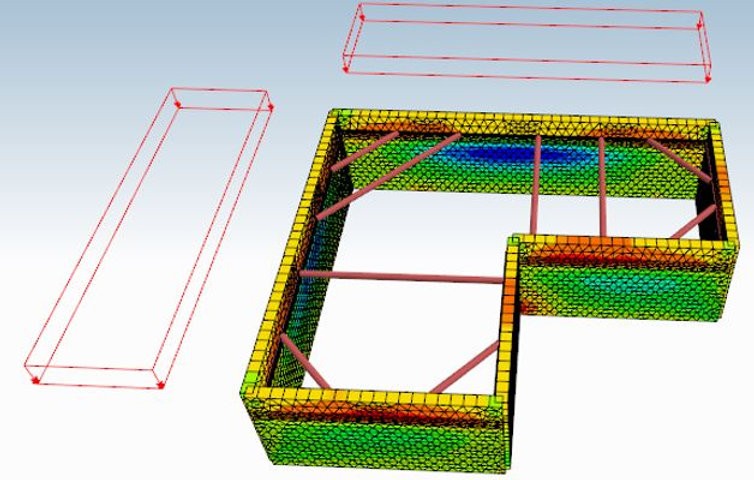
In a unified 3D ecosystem, you click through your excavation stages, and the solver handles the geotechnical lateral pressures (AS 4678) and the steel member utilisation checks (AS/NZS 4100) simultaneously in one place. Overstressed members turn red instantly, and second-order P-Delta buckling is calculated natively. This integrated technical logic is structurally identical to the advanced 3D BIM workflows seen in top-tier Asian design firms.
This isn't about replacing engineering judgment with a "black box" computer program; it is about automating the clerical data-entry tasks so we can focus on what we do best: value engineering, risk mitigation, and structural optimisation. Saving even a few tonnes of structural steel through refined analysis can be the exact competitive edge that wins your client the tender.
The generational gap between a fragmented two-step legacy and a unified 3D geotechnical-structural ecosystem is widening. For engineering teams looking to stay competitive in the fast-paced Australian temporary works market, upgrading your workflow is no longer an option—it’s an absolute necessity.
To my fellow engineers, shoring designers, and temporary works specialists in Australia and globally: How is your team handling this data gap? Are you still managing the painful WALLAP-to-Space Gass migration, or have you integrated your process? Let's discuss in the comments below! 👇
#GeotechnicalEngineering #ShoringDesign #TemporaryWorks #CivilEngineering #StructuralEngineering #DeepExcavation #BIM #AustraliaEngineering #ShanghaiEngineering #DeepEX #Lizheng #SpaceGass