
ArticleEngineering & construction
From AISC to AS/NZS: The Hidden Complexity of Steel Substitution on International Projects
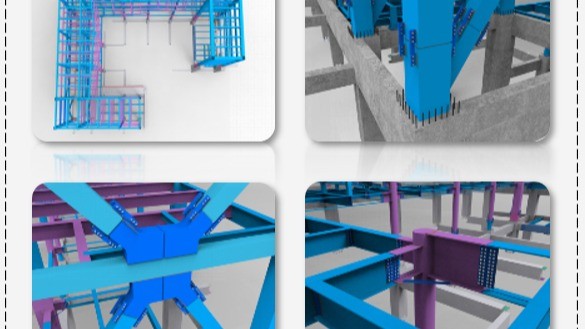
Over the past few months, I’ve been involved in a project in Timor-Leste that once again proved a simple truth in structural engineering:
“Swapping steel sections between different national standards is never just a like-for-like replacement — it affects everything from engineering calculations to constructability and services integration.”
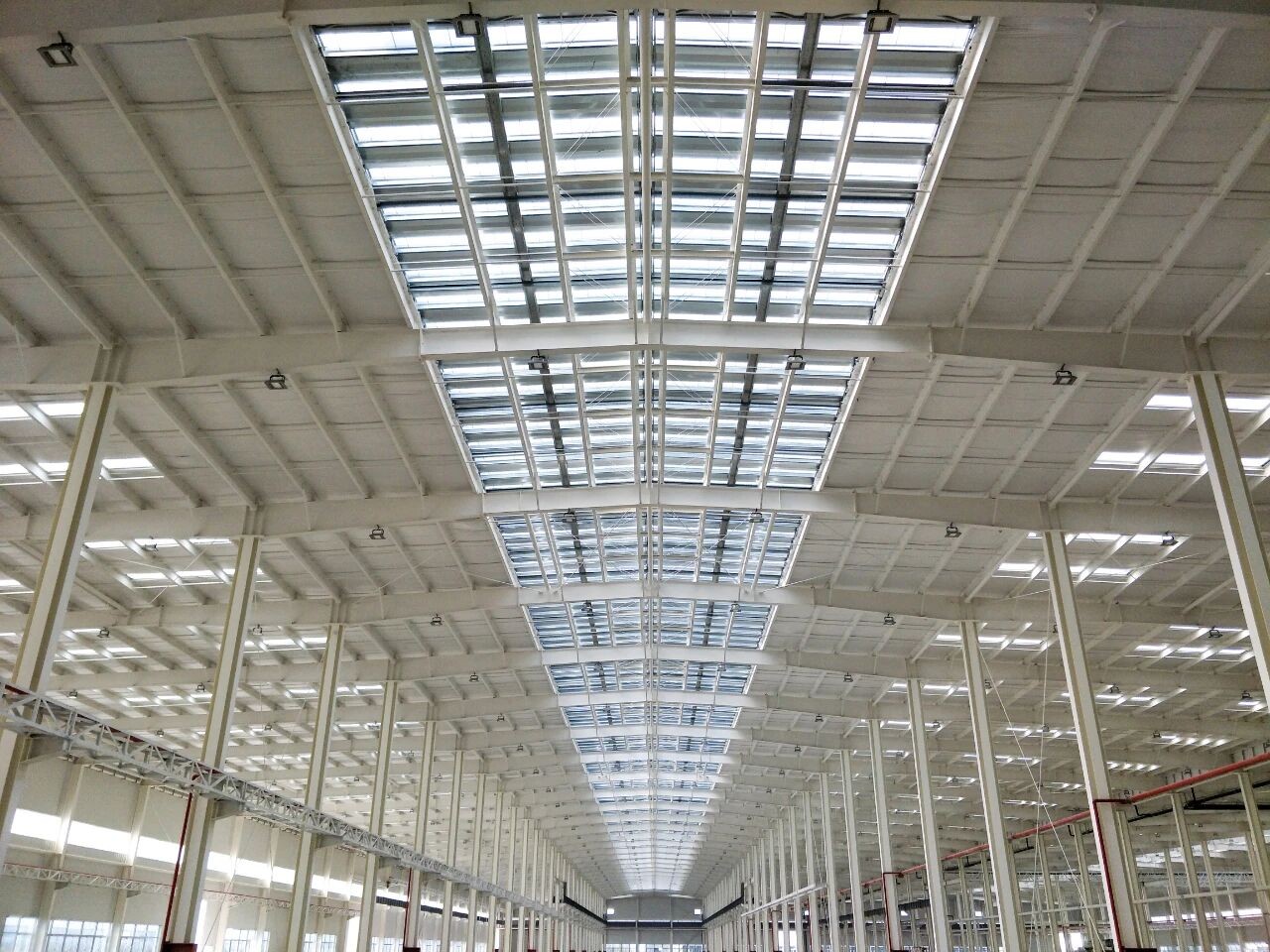
🏗️ Project Overview
- A U.S. client commissioned a portal frame warehouse in Timor-Leste.
- The full construction drawings were developed in California using AISC standards and U.S. steel sections.
- An Australian contractor won the bid — but in Timor-Leste, there is no stock of U.S. standard steel, and shipping from overseas would take at least two months.
So they proposed replacing all AISC sections with Australian Standard (AS/NZS) steel sections.
⚙️ Technical Challenges Behind a “Simple Substitution”
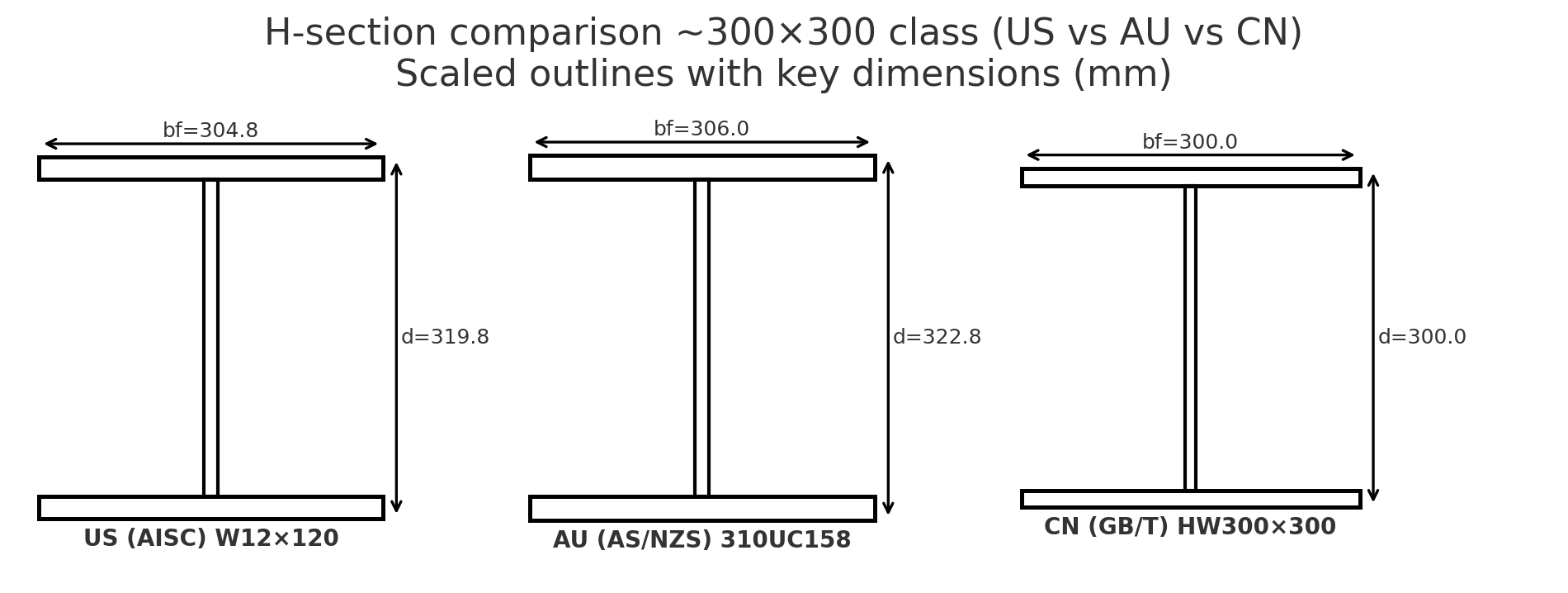
The contractor’s engineers and QS team first matched the closest AS/NZS UC/UB sections by geometry. Then they engaged my team to verify the substitution from multiple angles:
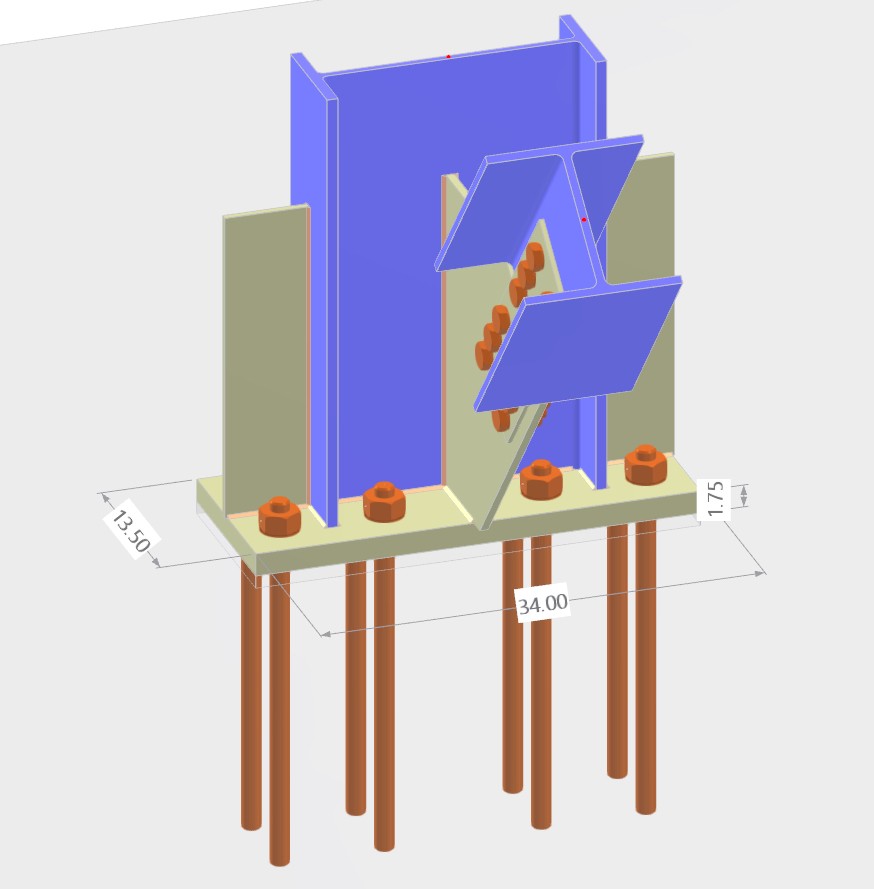
✅ 1. Section Geometry Compatibility Even small differences in flange width / web thickness led to clashes in Tekla with architectural and building services models — all connection details and many service penetrations had to be redesigned.
✅ 2. Structural Performance Check – Strength & Stiffness
- We recalculated member capacities using Australian steel grades (typically 300MPa / 350MPa) vs AISC Fy = 345MPa or 50ksi.
- We verified the modulus of elasticity (E ≈ 200 GPa) is comparable across both standards, to ensure similar stiffness and deflection behaviour for portal frames and rafters.
- Where the section properties or slenderness differed, additional stiffeners or plate reinforcements were introduced.
✅ 3. Steel Material Certification & Weldability We reviewed the steel mill certificates and chemical composition reports for the replacement sections to ensure:
- Carbon equivalent (CE) values were within allowable welding range;
- Sulphur / Phosphorus limits met weldability criteria;
- No deviation that could affect fabrication tolerances, bolt-hole punching, galvanising, or paint adhesion.
✅ 4. Multi-party Structural Review Process The U.S. structural engineer required full structural re-modelling using AS sections, performed by our team in Tekla + engineering calculations, and then reviewed and signed off by their office.
🛠️ Coordination Effort
- More than 10 Zoom coordination meetings,
- Revisions across architecture, structure, MEP, fabrication and erection sequencing,
- And finally, a mutually accepted IFC (Issued for Construction) design package.
Due to strict confidentiality agreements, I cannot disclose project images or client details — but the experience is worth sharing.

💡 What This Case Taught Us
✔ Steel section substitution is never only about matching size on paper. ✔ It involves capacity, stiffness, weldability, chemical properties, and connection redesign. ✔ Success requires experience across multiple national standards (AISC / AS/NZS / Eurocode / GB) and the ability to coordinate engineers, fabricators, clients and certifiers across different countries.
If anyone is working on international steel design substitution, Tekla–based coordination, or structural review/sign-off across standards, feel free to connect — I’m happy to share more.
#StructuralEngineering#SteelStructures#TeklaStructures#AISC #ASNZS#SteelSubstitution#InternationalProjects#EngineeringCoordination#DesignReview#BIMCollaboration#PortalFrame#EngineeringLessons#GlobalConstruction