
ArticleEngineering & construction
Australia’s NCC: A Lagging and Incomplete National Code Fueling the Wet Basement Debate
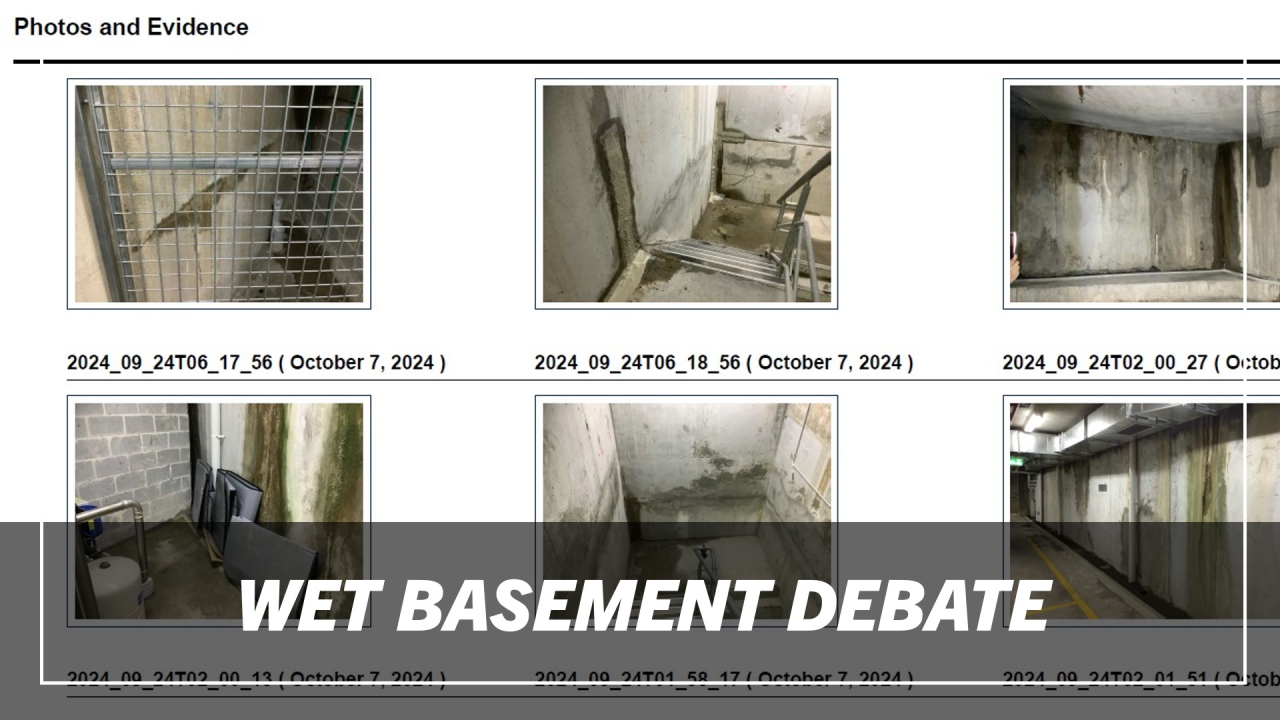
Basement waterproofing is a critical aspect of building durability and occupant safety. However, Australia’s National Construction Code (NCC) provides minimal guidance for underground structures, leaving key design and construction decisions open to interpretation. This lack of clear, enforceable standards has led to widespread issues of water ingress, structural degradation, and health risks in basements across the country, fueling the long-standing wet basement debate.
In contrast, international standards such as China’s GB codes, the UK’s BS 8102, and the US IBC/IRC offer comprehensive waterproofing regulations that effectively prevent these issues. These standards provide clear design frameworks and enforce mandatory post-construction testing, a critical step currently missing in the NCC.
Insights from Global Standards
China’s GB Codes: Zero Leakage Under Extreme Conditions
China’s GB 50108-2008 – Technical Code for Waterproofing of Underground Works sets a global benchmark for underground waterproofing. In challenging hydrogeological conditions like those in Shanghai—characterized by high water tables, soft soils, and seasonal flooding—skyscrapers such as the Shanghai Tower and Jin Mao Tower feature ultra-deep basements that have achieved zero seepage, as mandated by the GB codes. This success exemplifies how robust standards can overcome even the most adverse conditions.
UK’s BS 8102: A Risk-Based Framework
The UK’s BS 8102:2009 – Code of Practice for Protection of Below Ground Structures Against Water from the Ground provides a practical, risk-based guide that categorizes waterproofing systems into three types:
- Type A: Barrier protection using membranes.
- Type B: Structurally integral waterproofing with impermeable concrete.
- Type C: Drained systems with pumps to manage ingress.
BS 8102 emphasizes early risk assessment and the integration of waterproofing specialists in the design phase, ensuring holistic and effective solutions.
US IBC and IRC: Practical Testing for Performance
In the United States, the International Building Code (IBC) and the International Residential Code (IRC) emphasize system performance and flexibility:
- Material Selection: Adapts to regional conditions.
- System Redundancy: Combines impermeable barriers with drainage systems.
- Mandatory Testing: Hydrostatic pressure testing ensures systems meet design requirements.
The Importance of Post-Construction Testing
A major strength of these international standards is the enforcement of water-tightness tests as part of final acceptance. This step:
- Verifies Design Intent: Confirms waterproofing systems perform under real conditions.
- Identifies Early Defects: Addresses installation issues before they escalate.
- Ensures Durability: Establishes a baseline for long-term performance.
In contrast, the NCC lacks mandatory waterproofing tests, often leaving potential defects undetected until they cause significant damage.
A Path Forward: Reforming the NCC
While China’s GB codes offer unmatched technical rigor, Australia might find it more feasible to prioritize adopting the UK’s BS 8102 as a foundation for reform. The UK's approach aligns with Australia’s language, legal frameworks, and professional practices, making it an ideal starting point. Incorporating elements from the GB codes, such as zero-seepage requirements and advanced material standards, alongside the flexibility of the US IBC/IRC, could create a balanced and effective regulatory framework.
Mandatory post-construction waterproofing tests must become a cornerstone of any updated NCC. This step would ensure compliance, detect early issues, and build confidence in the durability and safety of Australia’s underground structures.
The wet basement debate highlights the urgent need for reform. It’s time for the NCC to evolve, embracing lessons from global standards to meet the demands of modern construction. Australia deserves a world-class regulatory framework that prioritizes long-term performance, safety, and quality.
#WetBasements #NCCReform #BasementWaterproofing #ConstructionStandards #StructuralIntegrity #BuildingRegulations #WaterproofingSolutions #GlobalBestPractices #CivilEngineering #BuildingSafety #AustraliaConstruction