
ArticleEngineering & construction
Annual Exceedance Probability (AEP): A Concept That Even Professionals Often Misunderstand
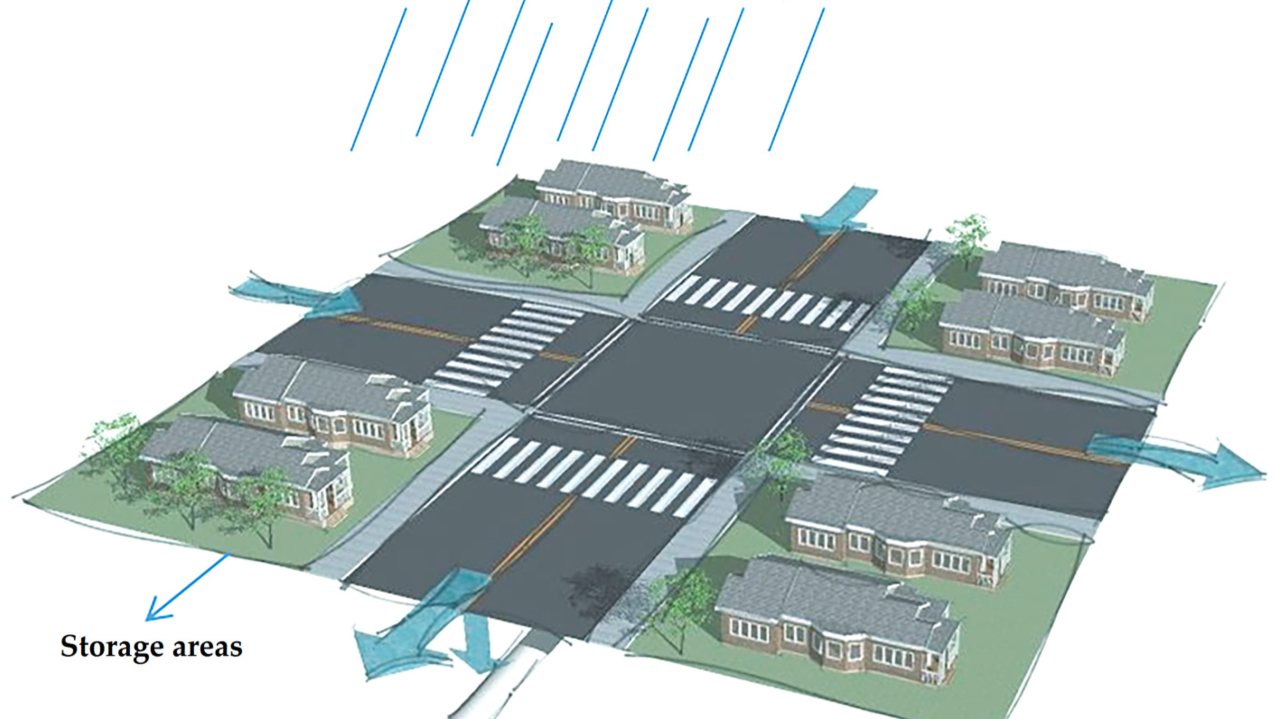
In civil engineering and flood risk management, we often deal with Annual Exceedance Probability (AEP) on a daily basis. However, both the public — and even many professionals — still frequently misunderstand what AEP truly represents.
🔬 What is AEP - Annual Exceedance Probability?
Simply put:
AEP represents the probability that a particular event magnitude will be exceeded in any given year.
For example:
- A 1% AEP flood means there is a 1% chance each year that this flood level will be exceeded.
- It does NOT mean “this flood happens once every 100 years.”
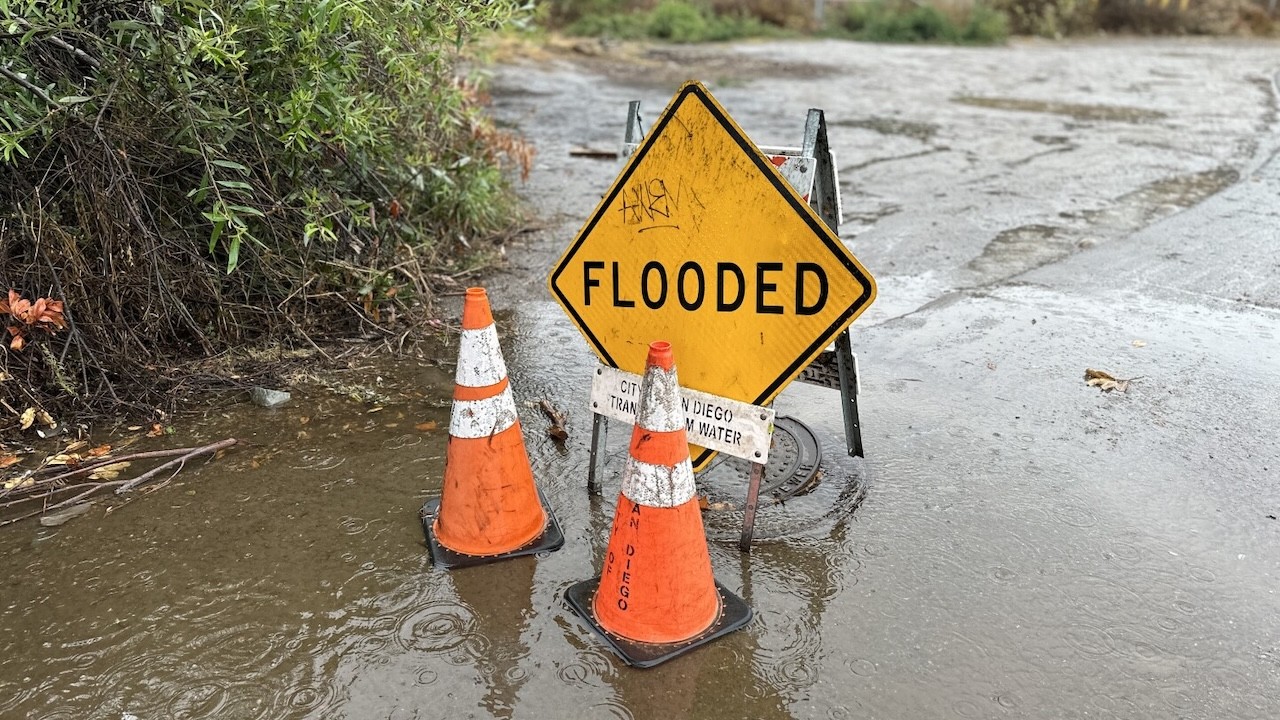
🔬 AEP vs ARI — The Misleading "100-Year Flood"
Historically, engineers used the Average Recurrence Interval (ARI), or "X-year flood", which easily creates public misunderstanding.
The approximate relationship is:
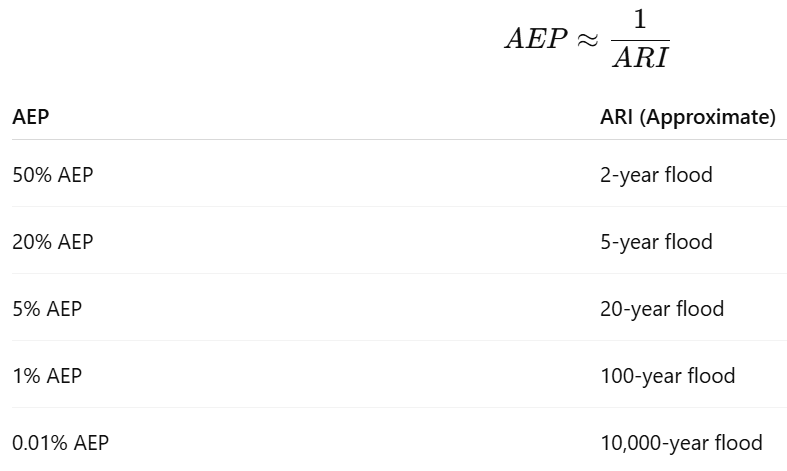
But these are only rough conversions. The important thing is: AEP is probability-based. ARI is time-based.
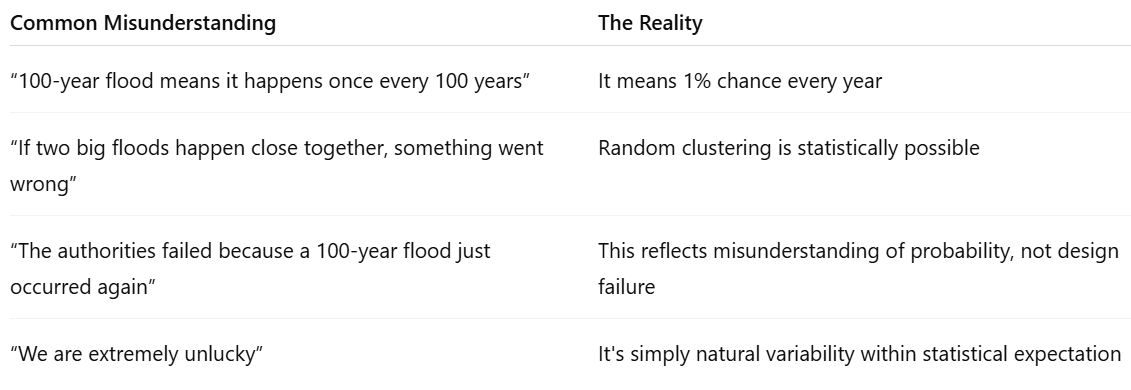
🔬 The Critical Mistake: “How can we have two 100-year floods in 5 years?”
This is one of the most common public complaints after flood disasters. The truth is: floods don’t follow a schedule — they follow probability.
For a structure with a 50-year design life, the chance of experiencing at least one 1% AEP event is much higher than people assume. Using this simple formula:

Where:
- AEP = 0.01
- n = 50 (years)
We get:

👉 Meaning:
Even a "100-year flood" has nearly a 40% chance of occurring at least once within a 50-year design life.
🔬 Why This Misunderstanding Is Dangerous
🔬 Why We Should Shift Toward AEP Terminology
Many countries — including Australia, New Zealand, and the US — are gradually shifting away from ARI terminology toward AEP to help both professionals and the public better understand risk-based design.
In flood engineering, we don't manage calendars — we manage probabilities.
✅ In summary:
AEP is not about how often something will happen. It’s about how likely it is to happen, every single year. Good design must always be probability-driven.
🔧 Personal Observation
After years of practice in civil, structural and flood engineering, I have witnessed how frequently these concepts are misinterpreted not only in public discussions but also in technical dialogues, project planning, and even policy debates.
If we want better risk-informed decisions for communities, infrastructure and public safety, 👉 educating people about AEP is the first step.
Author: Scott CHEN
B.Eng(Civil)/MIEAust/CPEng/NER/Registered Builder/MAIPM/PMP/MCIOB/MFESA
North Star Design & Build